 ultimate-guide
Navigating Fertility Concerns With Endometriosis
Last Updated: November 1, 2026
Quick Summary
Navigating fertility concerns with endometriosis means understanding that the condition can affect fertility through inflammation, scarring and ovarian endometriomas, though pain severity does not predict fertility impact. Many women conceive naturally, particularly with milder disease, but hormonal treatments that suppress ovulation are not compatible with trying to conceive. Seek specialist assessment early rather than waiting, as disease can progress and ovarian reserve declines with age.
- Repeated cycles of bleeding and healing create scar tissue that can distort the pelvis and affect fertility.
- Ovarian endometriomas can damage healthy ovarian tissue and reduce egg reserve.
- Hormonal treatments for pain often suppress ovulation and conflict with actively trying to conceive.
- Repeated surgery on the same ovary carries a cumulative risk to egg reserve.
- IVF does not treat endometriosis itself and the condition can affect egg quality and implantation.
Table of Contents
- How Endometriosis Affects Fertility
- Getting Pregnant With Endometriosis
- Endometriosis Surgery and Fertility: What Excision Can Change
- Endometriosis and IVF: When Assisted Conception Fits
- When to Seek Fertility Advice With Endometriosis
- Questions to Ask Your Specialist Before Deciding
- Booking a Fertility-Focused Endometriosis Consultation
- Frequently Asked Questions
How Endometriosis Affects Fertility
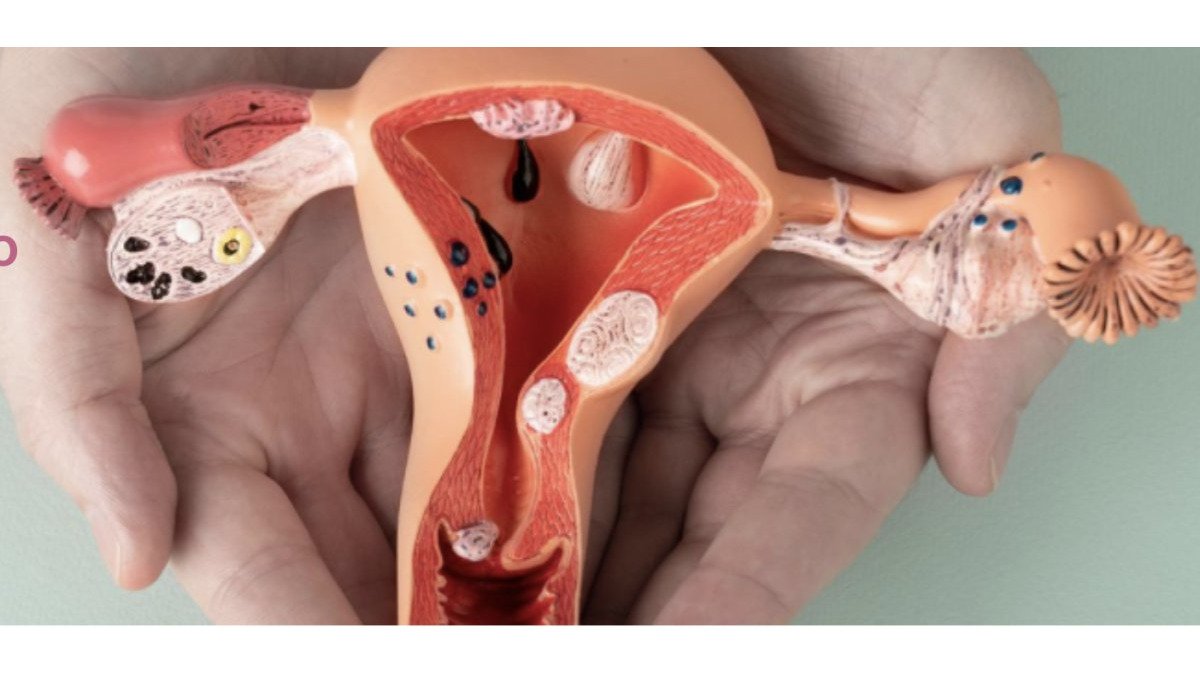
Navigating fertility concerns with endometriosis starts with understanding what the condition actually does to the reproductive system. Endometriosis is a chronic condition in which tissue similar to the lining of the womb grows outside it, most often on the ovaries, fallopian tubes, and the tissue lining the pelvis (the NHS). That misplaced tissue responds to hormonal cycles, bleeding and inflaming with each period.
The impact on fertility is rarely about one single factor. It is cumulative.
The Role of Inflammation and Scarring
Inflammation is the quiet culprit. Repeated cycles of bleeding and healing create scar tissue, which can bind organs together and distort the normal architecture of the pelvis. Adhesions may tether an ovary away from the fallopian tube, or narrow the tube itself, making it harder for an egg to travel and meet sperm.
Ovarian endometriomas, sometimes called chocolate cysts, can damage healthy ovarian tissue and reduce egg reserve. The location of disease matters as much as its severity: a small deep implant on the bowel or behind the uterus can cause more trouble than widespread superficial disease.
What most guides miss is that pain severity and fertility impact do not run in parallel. Some women with limited disease struggle to conceive; others with extensive disease conceive without help. This is why imaging and specialist assessment matter more than symptom scores alone.
Getting Pregnant With Endometriosis
Getting pregnant with endometriosis is possible for many women, and a substantial number conceive naturally, particularly with milder disease. The pathway depends on age, ovarian reserve, the extent and location of disease, and whether the fallopian tubes are open and functioning.
A common mistake is waiting too long before seeking assessment. Endometriosis can progress, and ovarian reserve declines with age regardless of the condition. If you are trying to conceive and have known endometriosis, a sensible approach is:
- Track ovulation carefully and time intercourse accordingly
- Request a specialist review rather than repeated reassurance
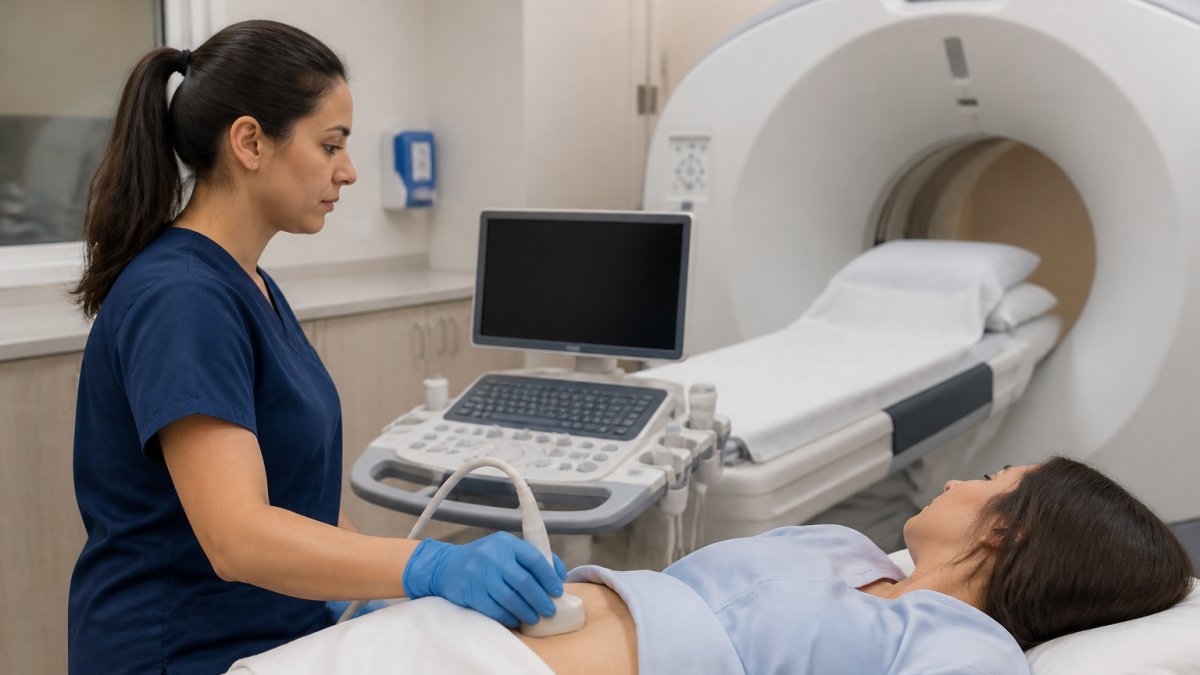
- Ask about a pelvic ultrasound and, where appropriate, an assessment of tubal patency
- Discuss whether hormonal suppression for symptom control conflicts with trying to conceive
Hormonal treatments that manage pain often suppress ovulation, so they are not compatible with actively trying to conceive. That tension between symptom control and conception is one of the hardest parts of navigating fertility concerns with endometriosis, and it needs an honest conversation with a specialist rather than a generic leaflet.
Endometriosis Surgery and Fertility: What Excision Can Change
Excision surgery removes endometriosis at its root rather than burning the surface. Many women find that surgery improves pain.
The key word is can. Surgery is not a guaranteed fertility treatment, and outcomes depend heavily on surgical skill, disease location, and ovarian reserve.
If you are weighing this decision, it helps to understand endometriosis pain relief and quality of life outcomes alongside the fertility considerations, and to know what to expect from a laparoscopy in terms of recovery and risk. A specialist who performs excisional surgery regularly will explain the trade-offs honestly rather than promising a result.
Watch out: repeated surgery on the same ovary carries a cumulative risk to egg reserve. If you have had previous surgery and the pain has returned, ask specifically how a further procedure would protect ovarian function.
Endometriosis and IVF: When Assisted Conception Fits
Endometriosis and IVF can be considered together when natural conception is unlikely or when time is against you.
IVF does not treat endometriosis itself, and the condition can affect egg quality and implantation. Some specialists recommend a period of hormonal suppression before a frozen embryo transfer to calm inflammation, though practice varies. The decision hinges on age, ovarian reserve, prior surgery, and how much time you have.
A sensible sequence for many women is: confirm the diagnosis and extent of disease, protect ovarian reserve, then decide whether to try naturally, proceed to surgery, or move to assisted conception. That order is not fixed, but it should be deliberate rather than reactive.
When to Seek Fertility Advice With Endometriosis
Seek fertility advice with endometriosis if symptoms are severe or worsening, or if you have concerns about conception.
Guidance from the Royal College of Obstetricians and Gynaecologists and the NHS on endometriosis supports prompt assessment when symptoms affect daily life or fertility.
If you are unsure whether your symptoms warrant specialist care, that uncertainty is itself a reason to ask. Being seen early rarely wastes anyone's time; being seen late can.
Questions to Ask Your Specialist Before Deciding
Ask direct questions, and expect direct answers. The quality of the consultation often matters as much as the treatment plan, and a specialist should welcome scrutiny rather than deflect it.
Bring this checklist to your appointment:
- What is the extent and location of my endometriosis, based on imaging?
- How is my ovarian reserve, and should we measure it?
- Would surgery improve my chances of conceiving, or would it risk my egg reserve?
- If I have surgery, who performs it and how often?
- Should I try naturally, consider surgery, or move to IVF, and in what order?
- How will my pain be managed while I am trying to conceive?
- What are the risks and recovery time for any proposed procedure?
If a specialist cannot answer these clearly, or dismisses your concerns, seek a second opinion. You are entitled to care that treats both your pain and your fertility as priorities.
Bring these questions to your appointment so the conversation covers both your pain and your fertility.
| Question | What it covers |
|---|---|
| What is the extent and location of my endometriosis, based on imaging? | Disease extent and location |
| How is my ovarian reserve, and should we measure it? | Ovarian reserve |
| Would surgery improve my chances of conceiving, or risk my egg reserve? | Surgery versus egg reserve |
| If I have surgery, who performs it and how often? | Surgical skill and experience |
| Should I try naturally, consider surgery, or move to IVF, and in what order? | Sequence of options |
| How will my pain be managed while I am trying to conceive? | Pain control while conceiving |
| What are the risks and recovery time for any proposed procedure? | Risks and recovery |
Booking a Fertility-Focused Endometriosis Consultation
Navigating fertility concerns with endometriosis is easier with a specialist who treats the condition and its fertility implications together rather than in isolation. Mr Javaid Muglu is a consultant gynaecologist and advanced laparoscopic surgeon with over 20 years of experience, specialising in advanced laparoscopic surgery and endometriosis care.
A one-stop clinic offers consultation and scan in a single appointment. If you are still working out how the process fits together, our step-by-step guide to a private gynaecology consultation explains what to expect, and you can find a top-rated private gynaecologist for endometriosis to compare your options. If you want clarity on how the diagnosis is confirmed in the first place, our guide on how to get an endometriosis diagnosis walks through each stage.
The first step is a conversation. Get started with Mr Javaid Muglu.
The hardest part is often not the medicine but the waiting and the uncertainty. A specialist review replaces guesswork with a clear plan, whether that means targeted excision, timed conception, or a referral for assisted conception. Mr Javaid Muglu offers one-stop clinics combining consultation and scan, specialist excisional surgery for endometriosis, and personalised fertility-focused planning within private gynaecology. Get started with Mr Javaid Muglu and take the first step towards answers you can act on.
Frequently Asked Questions
Can you get pregnant naturally if you have endometriosis?
Many women with endometriosis do conceive without assistance, particularly where the disease is mild and the fallopian tubes are clear. Endometriosis fertility outcomes vary widely because inflammation, adhesions and ovarian cysts can interfere with ovulation, egg quality and embryo transport. If you have been trying for six months or more without success, or your symptoms are severe, ask for a specialist review rather than assuming pregnancy is out of reach.
Does the stage of endometriosis determine whether I can get pregnant?
Stage does not reliably predict fertility. A woman with stage 1 disease and significant pain may struggle more than someone with stage 4 whose anatomy remains functional. What matters more is where the deposits sit, whether the tubes and ovaries are distorted, and how much inflammation is present. Your specialist should assess tubal patency, ovarian reserve and pelvic anatomy rather than relying on a stage number alone.
Can endometriosis surgery improve fertility?
Excision surgery can improve the pelvic environment by removing endometriotic deposits, dividing adhesions and restoring normal anatomy, which may help some women conceive. The benefit depends on the type and location of disease and on preserving healthy ovarian tissue. Discuss with your surgeon how much ovarian tissue may be affected and whether surgery or assisted conception is the better first step for your circumstances.
How do endometriosis and IVF work together?
IVF bypasses the fallopian tubes and places an embryo directly in the uterus, so it can be a sensible route where tubes are blocked or sperm factors coexist. Endometriosis and IVF planning should account for ovarian reserve, any previous surgery and how the disease responds to hormonal stimulation. Some specialists recommend a period of suppression before transfer in certain cases; ask whether that applies to you and why.
When should I seek fertility advice if I have endometriosis?
Seek advice early rather than waiting a full year. If you have severe pain, known large cysts or concerns about conception, request a referral. Early assessment of ovarian reserve and pelvic anatomy gives you more options and more time to act on them.
What questions should I ask my specialist about endometriosis and fertility?
Ask where your disease is located and whether it affects the tubes or ovaries, how much ovarian reserve you have, whether excision surgery or IVF is the better first step, what the risks to ovarian tissue are, and what the realistic timeline looks like. Also ask about pain control during treatment.