 ultimate-guide
Long-Term Health Effects of Perimenopause HRT Explained
Last Updated: October 30, 2026
Quick Summary
Long-term perimenopause hormone therapy carries a small absolute increase in breast cancer risk that grows with duration, particularly with combined HRT, whereas oestrogen-only therapy generally carries less risk. Its main benefits include relief of hot flushes and night sweats and protection of bone density. Safety depends on individual risk factors, so regular review with a clinician is essential.
- Combined HRT is associated with an increased breast cancer incidence that grows with duration of use.
- Oestrogen-only therapy after hysterectomy is generally associated with a smaller breast cancer risk increase.
- Breast cancer risk associated with HRT is generally understood to decline after stopping treatment.
- There is no fixed time limit, so use the lowest effective dose for the shortest period needed.
- A yearly review is a sensible standard for reassessing benefits, risks and continued treatment.
Table of Contents
- How Perimenopause Hormone Therapy Works and Who It Suits
- Weighing the Long-Term Benefits of HRT for Bones and Symptoms
- HRT and Breast Cancer Risk: What the Evidence Shows
- HRT and Heart Disease Risk, Stroke and Blood Clots
- How Long Can You Take HRT Safely?
- Perimenopause-Specific Timing, Formulations and Absolute Risk
- HRT Review and Monitoring: Your Next Step With a Specialist
- Frequently Asked Questions
How Perimenopause Hormone Therapy Works and Who It Suits
Hormone replacement therapy, known as HRT, replaces the oestrogen that the ovaries stop producing in sufficient amounts during perimenopause, and it is the most common form of perimenopause hormone therapy. Many women arrive with the same question: is HRT safe for me over the long term? The honest answer depends on your symptoms, your age, your personal risk factors and how the treatment is given.
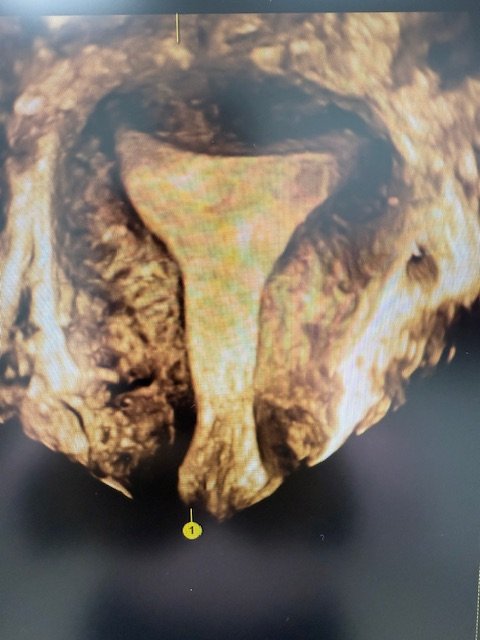
Perimenopause is the transition before menopause, often beginning in the forties and sometimes earlier. Hormone levels fluctuate unpredictably during this phase, which is why symptoms such as hot flushes, night sweats, sleep disruption, low mood and irregular bleeding can come and go. HRT supplies oestrogen, and where the womb is intact, a progestogen is added to protect the lining of the womb.
Oestrogen-only therapy is usually prescribed for women who have had a hysterectomy. Combined HRT, which contains both oestrogen and progestogen, is used where the womb is still present. Some women are offered a levonorgestrel intrauterine system instead of oral progestogen. The formulation, route and dose all influence the risk profile, so treatment should be individualised rather than chosen by default.
HRT tends to suit women with moderate to severe symptoms that affect daily life, and it is generally considered when symptoms are not controlled by lifestyle measures. It is less suitable for women with certain conditions, such as a history of breast cancer, unexplained vaginal bleeding, or a history of blood clots. A specialist review will weigh these factors before any prescription.
Weighing the Long-Term Benefits of HRT for Bones and Symptoms
The most established benefit of HRT is relief of vasomotor symptoms, meaning hot flushes and night sweats. You can read a fuller benefits-versus-risks discussion specific to perimenopause on our perimenopause HRT guide. For many women these symptoms are the main reason for seeking treatment, and symptom relief can greatly improve sleep, concentration and quality of life.
HRT also helps protect bone density. Oestrogen loss accelerates bone thinning, so starting treatment around the time of menopause can reduce the risk of osteoporosis and fractures. The protective effect on bone is generally considered to reduce as treatment stops, which is one reason long-term decisions need regular review.
Benefits must always be set against risks. Long-term use is associated with changes in several health outcomes, and the balance differs between women. Absolute risks are best explained in plain terms rather than relying on headline percentages alone, so that you can judge what the figures mean for your own situation.
HRT and Breast Cancer Risk: What the Evidence Shows
Breast cancer risk is the concern most often raised by women considering HRT, and it deserves a careful answer rather than a headline. The evidence base includes large observational studies and randomised trials, and the findings differ importantly by regimen.
Combined HRT (oestrogen plus progestogen). Published research on combined HRT has associated it with an increased incidence of breast cancer, and the increase has been reported to grow with duration of use. Absolute increases are generally described as small for most women, though the figures depend on age and individual risk.
Oestrogen-only HRT. In women who have had a hysterectomy, oestrogen-only therapy is generally associated with a smaller increase in breast cancer risk than combined therapy. The choice between combined and oestrogen-only therapy is not interchangeable.
What happens after stopping. Breast cancer risk associated with HRT is generally understood to decline after treatment stops. That pattern is reassuring for women who use HRT for a defined period, and it is relevant to the duration conversation.
Endometrial and ovarian cancer. These are covered less often but belong in the same discussion. In women with a womb, combined HRT protects the lining of the womb, and unopposed oestrogen is not appropriate because it raises endometrial cancer risk.
Screening and review. Regular breast screening remains important whilst taking HRT, and any new breast symptom, a lump, skin change or nipple discharge, should be assessed promptly rather than attributed to treatment.
The table below sets out how breast cancer risk differs between HRT types, using only the figures and points the article states.
| Type of HRT | Breast cancer risk | Trend over time |
|---|---|---|
| Combined (oestrogen plus progestogen) | Associated with an increased incidence | Grows with duration of use |
| Oestrogen-only (after hysterectomy) | Generally a smaller increase than combined | Not stated in article |
| After stopping treatment | Risk generally declines | Declines once treatment ends |
HRT and Heart Disease Risk, Stroke and Blood Clots
Cardiovascular outcomes depend heavily on timing and on the individual woman. Cardiovascular outcomes depend heavily on timing and on the individual woman, and a specialist review will weigh these factors.
The route of administration matters, as oral and transdermal oestrogen may carry different clot-related risks, and this is weighed during consultation.
Other risks commonly discussed include gallbladder disease. Combined HRT is used in women with a womb because the progestogen protects the lining of the womb, whereas oestrogen-only therapy is not appropriate for women who still have a womb (the NHS). Where symptoms or structural issues within the pelvis are a concern, a specialist such as an Endometriosis Specialist or a team offering Gynaecological Cancers assessment can help clarify the picture before treatment decisions are made.
How Long Can You Take HRT Safely?
There is no fixed time limit for HRT. Current guidance generally supports using the lowest effective dose for the shortest period needed to control symptoms, while reviewing the benefits and risks regularly. Many women use HRT for several years, and some continue longer when the benefits clearly outweigh the risks.

Duration matters because most risks increase with length of use, particularly the small increase in breast cancer risk. Continuing treatment is a decision to make with a clinician, not something to drift into. A structured review every year is a sensible standard. If you have had a hysterectomy, the conversation will focus on oestrogen-only options, and the duration considerations differ accordingly. Our guide to HRT after hysterectomy covers how long treatment can be taken safely in that situation.
Perimenopause-Specific Timing, Formulations and Absolute Risk
Most of what is written about HRT risk describes women after the menopause, because that is where the large trials recruited. Perimenopause is different, and the difference matters for how you read the evidence.
Why the evidence is thinner here. During perimenopause, oestrogen levels fluctuate rather than simply falling, and cycles may still be ovulatory. Many trials enrolled women who were already postmenopausal, often in their sixties, which limits how directly their findings apply to a woman in her mid-forties starting treatment for symptoms.
Timing of starting. Cardiovascular outcomes depend on timing and on the individual woman, so the risk and benefit balance should be reviewed for each person rather than assumed from population patterns.
Formulations, routes and doses. Risks are not uniform across regimens:
- Oral versus transdermal oestrogen. Transdermal oestrogen (patches or gels) is one route that may be considered, and the appropriate route is discussed during consultation.
- Combined versus oestrogen-only. The progestogen component drives much of the difference in breast cancer risk, and it is also what protects the endometrium in women with a womb.
- Low-dose options. Lower doses are generally used where symptom control allows, on the principle of the lowest effective dose.
- Progestogen choice. Options include oral progestogens, a levonorgestrel intrauterine system, and micronised progesterone; the choice affects bleeding patterns and, to some degree, the risk profile.
Absolute risk, translated. A relative increase can sound alarming, but the absolute increase depends on the baseline risk. The percentage alone does not show the meaning for an individual. This is why age, baseline risk and duration should be discussed together rather than as a single figure.
Evidence quality and uncertainty. Evidence comes from different study designs, and each has strengths and limits. Being explicit about which findings are established, which are probable and which are uncertain is part of an honest consultation.
Fertility, contraception and bleeding. Pregnancy is still possible until periods have stopped for a full year, and HRT is not a contraceptive. Contraception needs should be discussed separately. Irregular or unexpected bleeding during perimenopause should always be assessed before starting HRT and again if it changes on treatment.
HRT Review and Monitoring: Your Next Step With a Specialist
If you are considering HRT, or already take it and want to revisit the decision, a specialist review is a useful next step. At a review, your history, family history, blood pressure and relevant screening can be considered, and the symptoms you most want to treat can be discussed.
Ongoing monitoring during long-term treatment can include regular symptom review, blood pressure checks, breast screening and bleeding assessment where relevant.
Book a consultation to discuss whether HRT is right for you and how it can be reviewed over time.
Frequently Asked Questions
Is HRT safe to take for many years? Safety depends on your individual risk factors, the type of HRT, and how long you take it. Regular reviews with a clinician help keep the balance of benefits and risks under control.
Does HRT increase the risk of breast cancer? Combined HRT is associated with a small increase in breast cancer risk that grows with duration of use. Oestrogen-only therapy appears to carry less risk, and the increase falls after stopping treatment.
Can I take HRT if I have had a hysterectomy? Yes, usually with oestrogen-only therapy, since progestogen is not needed when the womb has been removed.
When should I see a specialist about HRT? Consider a specialist review if your symptoms are affecting daily life, you have irregular bleeding, or you have a personal or family history that makes HRT decisions more complex. Perimenopause symptoms and when to see a specialist sets out the warning signs in more detail.
Frequently Asked Questions
Does HRT increase the risk of breast cancer?
Combined HRT, which contains oestrogen and progestogen, has been associated with an increase in breast cancer risk that may grow with duration of use. Oestrogen-only therapy is generally associated with a smaller association. Risk is generally understood to fall after treatment stops. Your individual family history, age, weight and previous breast screening results should be weighed alongside these figures before you decide, ideally with a specialist who can review your personal risk.
How often should HRT be reviewed?
Reviews of HRT are generally recommended on a regular basis, and sooner if symptoms change or new health concerns arise. Each review should confirm that the benefits still outweigh the risks for you, and consider whether the dose or type can be reviewed. Keeping a simple symptom diary between appointments makes these reviews far more useful.
Can you take HRT for the rest of your life?
There is no fixed upper limit, but the decision to continue depends on your symptoms, your health and your personal risk profile. Treatment can be reduced or stopped gradually, and continuation is reviewed with a specialist. Long-term use always needs regular monitoring rather than an automatic repeat prescription.
Is it normal to have perimenopause for 10 years?
Perimenopause commonly lasts several years, and some women experience symptoms for close to a decade before their final period. The length varies widely between individuals and is influenced by genetics, lifestyle and previous gynaecological treatment. If symptoms are severe, unpredictable bleeding occurs, or you are worried about changes, a specialist assessment can clarify what is typical for you.