 ultimate-guide
Efficient Diagnostic Process: Combined Scan and Biopsy Clinics
Table of Contents
- What Are Combined Scan and Biopsy Clinics?
- The Benefits of Combined Scan and Biopsy Clinics for Patient Outcomes
- How Rapid Access Gynaecology Clinics Reduce Waiting Times
- Reducing Diagnostic Delay in Gynaecology Through Integrated Pathways
- Patient-Centred Diagnostic Care: Putting Your Needs First
- The Role of Patient Advocacy Services in Your Diagnostic Journey
- What to Expect During a Same-Day Diagnostic Appointment
- Frequently Asked Questions
Last Updated: October 2, 2026
What Are Combined Scan and Biopsy Clinics?
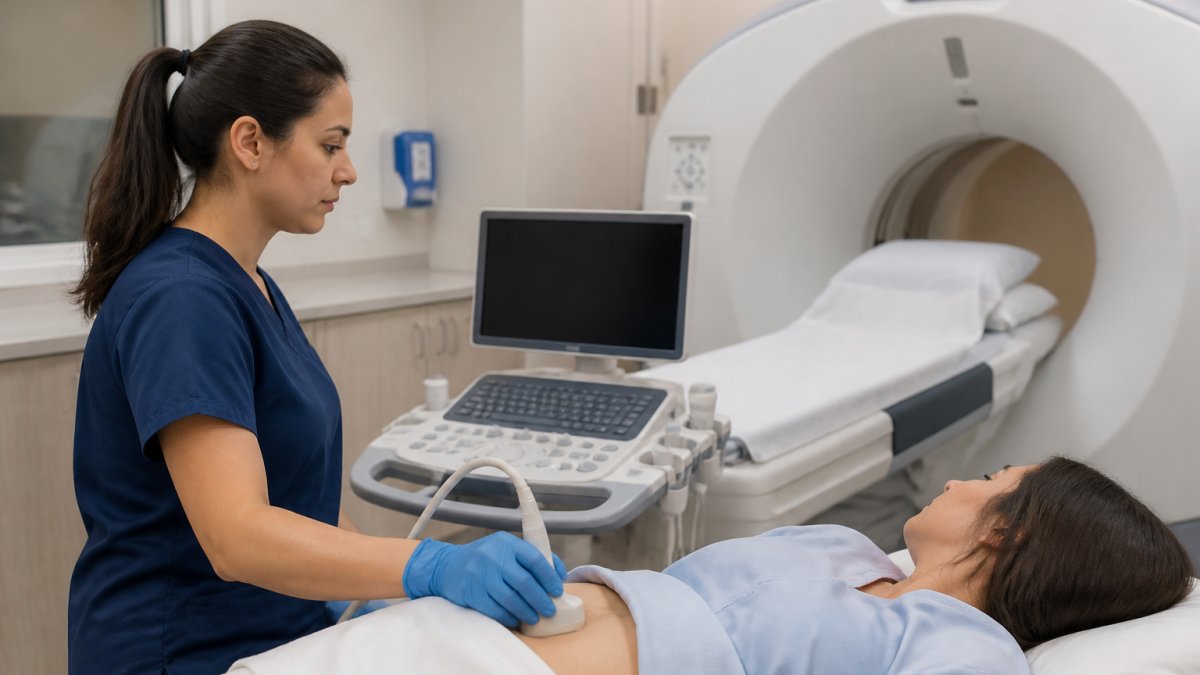
Combined scan and biopsy clinics represent a fundamental shift in how gynaecological diagnostics are delivered. Rather than attending separate appointments across different hospital departments, patients receive imaging and tissue diagnosis in a single visit. This integrated model eliminates the fragmented approach that has historically left women waiting weeks between consultations, scans, and results.
The combined scan and biopsy clinic model consolidates clinical assessment, imaging (ultrasound, MRI, or CT), and biopsy procedures into one appointment. A consultant gynaecologist performs the initial examination, reviews imaging in real time, and can obtain tissue samples immediately if needed. Results are often available within days rather than weeks, transforming uncertainty into clarity.
This approach addresses a critical gap in NHS and private diagnostic pathways. Traditionally, a woman referred with suspected gynaecological cancer might wait for an initial scan, then return for a separate biopsy appointment, then wait again for pathology results. Each transition point introduces delay and anxiety. Combined clinics collapse these intervals.
Mr Javaid Muglu's One Stop gynaecological clinics exemplify this model, offering consultation and scan in a single appointment. This efficiency doesn't compromise thoroughness, it enhances it. The consultant can adjust the diagnostic strategy in real time based on what imaging reveals, rather than working from a radiologist's report weeks later.
The Benefits of Combined Scan and Biopsy Clinics for Patient Outcomes
The evidence for integrated diagnostic pathways is clear: patients experience faster diagnosis, reduced anxiety, and better clinical decision-making. When consultation, imaging, and biopsy occur together, the diagnostic timeline compresses dramatically.
First, there's the psychological benefit. Women presenting with symptoms of possible gynaecological cancer often describe diagnostic waiting as more distressing than the diagnosis itself. Uncertainty amplifies fear. A same-day pathway delivers answers within hours rather than weeks, allowing patients to move from anxiety to action. This reduction in diagnostic limbo has measurable effects on mental health and quality of life.
Second, clinical outcomes improve. Consultants who review imaging immediately can ask targeted follow-up questions, perform additional scanning if needed, and take tissue samples from the most suspicious areas. This real-time decision-making is more accurate than sequential appointments where each clinician works from written reports rather than direct observation.
Third, resource efficiency matters. Combined clinics reduce duplicate appointments, imaging repeats, and administrative overhead. For NHS services, this means diagnostic capacity is used more effectively. For private patients, it translates to faster access and fewer visits.
The model also benefits patients with complex presentations. A woman with both endometriosis and a suspicious ovarian cyst can have both conditions assessed and managed within one visit rather than being shuffled between specialists. Mr Javaid Muglu's specialisation in advanced laparoscopic surgery and oncology means complex cases receive integrated assessment, diagnostic imaging informs surgical planning immediately.
Finally, early detection improves survival rates for gynaecological cancers. When diagnosis is rapid, treatment begins sooner. For conditions like ovarian cancer where early-stage detection significantly improves prognosis, this acceleration matters clinically.
How Rapid Access Gynaecology Clinics Reduce Waiting Times
Rapid access gynaecology clinics operate on a fundamentally different scheduling principle than traditional outpatient services. Rather than batch appointments by availability, these clinics prioritise urgent referrals and build diagnostic capacity around same-day completion.
The NHS has invested in rapid access gynaecology clinic expansion specifically to address diagnostic delays for suspected cancer. Community Diagnostic Centres now offer integrated pathways for urgent referrals, though availability varies by local Integrated Care Board. These services separate urgent diagnostic cases from routine appointments, preventing diagnostic backlogs from delaying cancer investigation.
Private rapid access clinics like those offered by Mr Javaid Muglu operate with even shorter timescales. Appointments are typically available within days rather than weeks. This speed reflects both smaller patient volumes and dedicated diagnostic infrastructure, ultrasound equipment, biopsy facilities, and pathology processing are on-site.
The reduction in waiting time has multiple effects. Clinically, it means suspicious lesions are biopsied sooner, reducing the risk of disease progression during diagnostic delays. Psychologically, it reduces the period of uncertainty that often accompanies a concerning GP referral. Operationally, it improves the efficiency of diagnostic capacity because same-day pathways reduce the number of separate appointments required per patient.
For patients with suspected endometriosis or fibroids, rapid access clinics mean diagnostic confirmation happens quickly, allowing treatment planning to begin without prolonged waiting. For those with concerning symptoms suggesting possible malignancy, speed is clinically critical.
Reducing Diagnostic Delay in Gynaecology Through Integrated Pathways
Diagnostic delay in gynaecology remains a significant clinical problem, particularly for cancer cases. The interval from symptom onset to diagnosis can stretch over months, during which disease may progress and patient anxiety compounds. Integrated diagnostic pathways directly address this bottleneck.
Traditional sequential pathways create multiple delay points. A woman with postmenopausal bleeding might wait for a GP appointment, then for a hospital referral to be processed, then for an ultrasound slot, then for a consultant review of the imaging, then for a biopsy appointment if imaging is inconclusive. Each step introduces a waiting period. A single concerning finding can trigger a cascade of separate appointments.
Integrated pathways eliminate these transitions. The consultant sees the patient, reviews imaging immediately, and decides on biopsy or further investigation without leaving the appointment. If a biopsy is needed, it happens the same day. Pathology results follow within days. This compression of the diagnostic timeline can reduce total waiting time from 8-12 weeks to 1-2 weeks.
Research from NHS England diagnostic services guidance emphasises that integrated pathways reduce diagnostic delays for urgent cancer referrals. The principle is straightforward: fewer appointment boundaries mean fewer waiting periods.
For patients with endometriosis, reducing diagnostic delay is equally important. Endometriosis diagnosis historically takes 7-10 years on average, partly because symptoms are often normalised and partly because diagnostic confirmation requires imaging and sometimes laparoscopy. Rapid access clinics with laparoscopic capability can compress this timeline significantly. Mr Javaid Muglu's expertise in excisional treatment of endometriosis means diagnostic assessment can proceed directly to treatment planning if laparoscopy confirms the condition.
The integrated pathway model also reduces the psychological burden of diagnostic uncertainty. Rather than multiple appointments each raising new questions, a single comprehensive visit provides answers. This shift from fragmented to consolidated care improves patient experience substantially.
Patient-Centred Diagnostic Care: Putting Your Needs First
Patient-centred care in diagnostics means more than courtesy, it means designing the diagnostic pathway around the patient's needs rather than institutional convenience. Combined scan and biopsy clinics exemplify this principle.
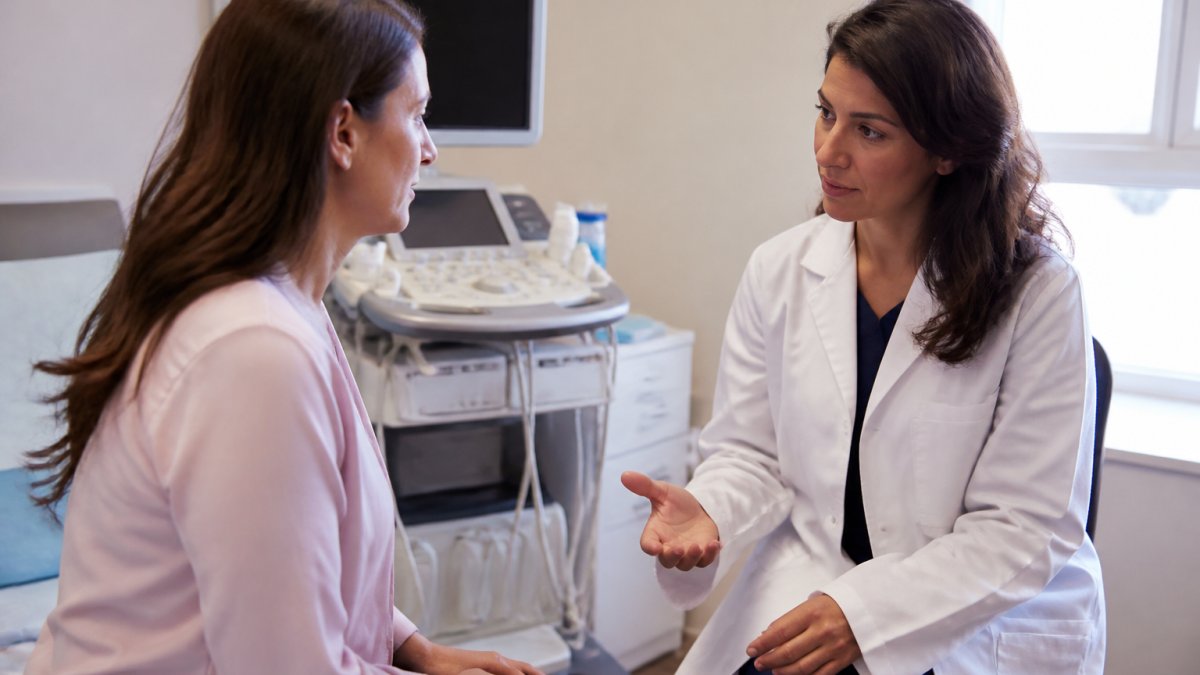
From a patient perspective, a single appointment is simpler than multiple visits. Travel, time off work, and childcare arrangements are minimised. Anxiety is concentrated into one day rather than spread across weeks of waiting. The consultant has time to explain findings in detail, answer questions, and discuss next steps without the patient feeling rushed.
Effective patient-centred diagnostic care also means clear communication. Patients should understand what to expect, why each test is being performed, and what results mean.
The Role of Patient Advocacy Services in Your Diagnostic Journey
Patient advocacy services exist to support women navigating complex diagnostic pathways, particularly when facing possible cancer diagnoses. These services provide information, emotional support, and practical assistance that complements clinical care.
What to Expect During a Same-Day Diagnostic Appointment
Understanding what happens during a combined scan and biopsy appointment reduces anxiety and helps patients prepare effectively. These appointments typically follow a structured sequence designed to maximise efficiency without rushing.
Frequently Asked Questions
What are the key benefits of a combined scan and biopsy clinic?
Combined scan and biopsy clinics reduce the number of appointments needed, minimising patient anxiety and travel time. You receive consultation, imaging, and tissue sampling in a single visit, with results often available within days rather than weeks. This integrated approach accelerates diagnosis and allows faster treatment planning, particularly important for suspected cancers where early confirmation matters significantly.
How does a rapid access gynaecology clinic differ from standard NHS pathways?
Rapid access gynaecology clinics prioritise urgent referrals and compress diagnostic timelines. Unlike traditional pathways where patients attend multiple separate appointments over weeks, these clinics coordinate scans, biopsies, and specialist review on the same day. This reduces diagnostic delay in gynaecology substantially, meaning women with suspected malignancy or severe symptoms get answers and treatment plans faster.
What role does patient advocacy play in the diagnostic process?
Patient advocacy services help you understand your diagnosis, navigate appointment logistics, and communicate your concerns to the clinical team. Advocates provide emotional support, explain complex results, and ensure your questions are answered fully. They bridge the gap between medical terminology and patient understanding, empowering you to make informed decisions about your care and treatment options.
Can I access combined scan and biopsy clinics through the NHS?
Yes. Community Diagnostic Centres and specialist NHS gynaecology clinics increasingly offer combined pathways, particularly for urgent cancer referrals. However, availability varies by region depending on your local Integrated Care Board. Private providers also offer these services with shorter waiting times. Your GP can advise on availability in your area or discuss private options if NHS waiting times are lengthy.
How long does it take to get results from a same-day diagnostic appointment?
Imaging results are often available within hours of your appointment. Biopsy results typically take 5-10 working days, depending on pathology processing. Some clinics provide preliminary findings on the day, with formal histology reports following. Your consultant will explain the timeline and arrange follow-up to discuss results and next steps, ensuring you're not left waiting in uncertainty.
What should I bring or prepare for a combined scan and biopsy appointment?
Bring your GP referral letter, any previous imaging or test results, and a list of current medications. Wear comfortable clothing that allows easy access to the abdomen or pelvis. Arrive 15 minutes early for registration. Ask about any specific preparation. Bring a support person if desired.
Are combined scan and biopsy clinics suitable for all gynaecological concerns?
These clinics work best for suspected cancer, persistent pelvic pain, abnormal bleeding, and complex masses requiring tissue diagnosis. They're particularly valuable when urgent assessment is needed or when standard investigations haven't provided clear answers. Your consultant will determine if this pathway is appropriate for your specific condition and may recommend alternative approaches if necessary.