 how-to
Private Gynaecology Consultation: A Step-by-Step Guide
Table of Contents
- Understanding the Private Gynaecology Consultation Process
- Private Gynaecology Referral Requirements
- Preparing for Your Gynaecology Appointment
- Gynaecology Consultation Duration and What Happens During Your Appointment
- Cost of Private Gynaecology Consultation
- The One Stop Clinic Model: Diagnosis and Answers in One Visit
- After Your Private Gynaecology Consultation
- Frequently Asked Questions
Last Updated: September 27, 2026
Understanding the Private Gynaecology Consultation Process
A private gynaecology consultation is a specialised medical appointment with an independent gynaecologist outside the NHS system. You'll receive expert diagnosis, personalised treatment planning, and often faster access to advanced procedures like laparoscopic surgery. The consultation typically combines a detailed discussion of your symptoms, a physical examination, and diagnostic imaging, sometimes all in a single visit.
Private consultations address a range of concerns: endometriosis, fibroids, menopausal symptoms, suspected gynaecological cancers, and complex conditions that haven't responded to standard care. The key difference from NHS appointments is flexibility, continuity of care, and access to specialists with specific expertise. Mr Javaid Muglu, a consultant gynaecologist with over 20 years' experience in advanced laparoscopic surgery and gynaecological oncology, offers this level of focused, expert-led care.
Many women choose private gynaecology consultation when they're facing diagnostic uncertainty or when they've already spent months on NHS waiting lists without clear answers. The process moves faster, and you work with the same consultant throughout, building trust and ensuring your care remains consistent.
Private Gynaecology Referral Requirements
You do not need a GP referral to book a private gynaecology consultation. You can contact a private gynaecologist directly and arrange an appointment yourself. This independence is one of the major advantages of private care, you control the timeline and the specialist you see.
However, some private consultants ask for basic medical information before your first appointment. This helps them understand your history and prepare for your visit. If you have recent test results, imaging reports, or letters from your GP or previous consultants, bring these documents. They provide valuable context and prevent unnecessary duplication of investigations.
If your GP has already referred you through the NHS, you can still choose to pursue private gynaecology consultation alongside it. Some patients do both: they continue on the NHS waiting list while seeing a private consultant sooner. This approach gives you answers faster without losing your place in the public system.
Preparing for Your Gynaecology Appointment
Medical Records and Documentation
Gather your medical history before your private gynaecology consultation. Write down:
- Dates when your symptoms started
- How symptoms have changed over time
- Medications you currently take (including supplements)
- Previous gynaecological procedures or surgeries
- Results from any recent scans, blood tests, or biopsies
- Names and dates of any previous consultants you've seen
If you have copies of NHS letters, imaging reports, or pathology results, bring those documents. Digital copies work fine, email them to the clinic before your appointment if they offer that option. This preparation saves time during your consultation and helps Mr Javaid Muglu build an accurate clinical picture from the start.
Many women with suspected endometriosis or fibroids benefit from bringing a symptom diary. Note when pain occurs, its severity (on a scale of 1-10), what triggers it, and what relieves it. This concrete information is far more useful than a general description like "I have bad period pain."
What to Bring on the Day
Bring your NHS number (on your medical card), a form of photo identification, and your insurance details if you're claiming through private health insurance. Wear comfortable, loose-fitting clothing that allows easy access for a physical examination. Avoid tight jeans or dresses that are difficult to remove quickly.
Bring a list of any questions you want to ask. During a private gynaecology consultation, you have dedicated time to discuss your concerns in detail. Write them down beforehand so you don't forget anything important. Many consultants also allow you to bring a partner, family member, or friend for support, ask when you book if this matters to you.
Arrive 10-15 minutes early to complete any remaining paperwork. Bring a notebook if you like to take notes during the consultation. Some patients find it helpful to record key points so they remember recommendations when they get home.
Gynaecology Consultation Duration and What Happens During Your Appointment
Initial Assessment and Medical History
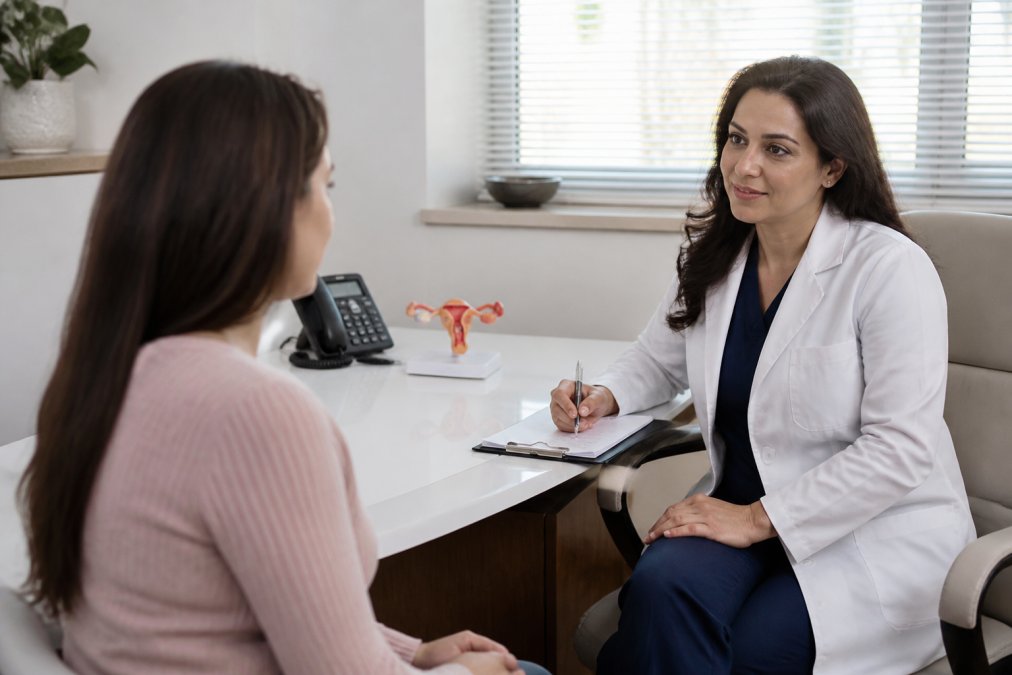
A private gynaecology consultation typically lasts 30-45 minutes, though complex cases may take longer. The appointment begins with a detailed discussion of your medical history and current symptoms. Mr Javaid Muglu will ask specific questions about your gynaecological health, menstrual patterns, pain, bleeding, and how symptoms affect your daily life.
This isn't a rushed conversation. Private consultants allocate time for thorough history-taking because accurate diagnosis depends on understanding the full clinical picture. You'll discuss previous treatments, what worked and what didn't, and any family history of gynaecological conditions.
Physical Examination and Diagnostic Imaging
After the history, you'll have a physical examination. This typically includes an abdominal examination and a vaginal examination using a speculum and ultrasound probe. The consultant will explain each step before proceeding and will stop if you feel uncomfortable. You're in control, if you need a break, say so.
Many private gynaecology consultation appointments include ultrasound imaging on the same day. Transvaginal ultrasound provides detailed images of your womb, ovaries, and fallopian tubes (Transvaginal ultrasound scan - Overview). This immediate imaging means you see the findings together with your consultant and understand what's happening in real time. For suspected fibroids or endometriosis, this imaging is often diagnostic.
Some consultants also perform a hysteroscopy (a thin camera inserted through the cervix) or take biopsies during the initial consultation if indicated. This "one-stop" approach to private gynaecology consultation, combining assessment, imaging, and sometimes treatment, reduces the number of appointments you need and speeds up your pathway to answers.
Discussion of Findings and Treatment Options
Once the examination and imaging are complete, your consultant discusses the findings with you. They'll explain what they've found, what it means for your health, and what treatment options are available. This is your chance to ask questions and understand your choices.
For some conditions, the treatment plan is straightforward. For others, particularly suspected gynaecological cancers or complex endometriosis, you may need further investigations or specialist input. Your consultant will explain the next steps clearly and give you written information to take home.
Cost of Private Gynaecology Consultation
The cost of a private gynaecology consultation varies depending on the consultant's experience, location, and the complexity of your case. If imaging or procedures are performed on the same day, additional costs apply.
Many private consultants provide a cost estimate when you book. Ask about this upfront so there are no surprises. Some consultants offer payment plans or accept private health insurance, which may cover part or all of the cost depending on your policy.
Check your private health insurance policy before booking. Many policies cover diagnostic consultations, imaging, and certain procedures, though some require a GP referral letter or have waiting periods.
The One Stop Clinic Model: Diagnosis and Answers in One Visit
The "one-stop" model for private gynaecology consultation combines consultation, imaging, and sometimes biopsy or minor procedures in a single appointment. This approach is particularly valuable for women with suspected gynaecological cancer or complex diagnostic uncertainty.
After Your Private Gynaecology Consultation
After your appointment, you'll receive a detailed letter summarising the consultation, findings, and recommended treatment plan. This letter is yours to keep and can be shared with your GP if you wish. It becomes part of your medical record.
Frequently Asked Questions
Do I need a GP referral for a private gynaecology consultation?
You can access private gynaecology care without a GP referral, though some private consultants and insurance providers may request one. If you have private health insurance, check your policy first, many require a referral letter from your GP for coverage. Self-referral is straightforward: contact the consultant's office directly to book. Having a referral letter can be helpful as it provides your medical history and reason for consultation, but it's not a barrier to booking privately.
How long does a private gynaecology consultation usually last?
A typical private gynaecology consultation lasts 30 to 45 minutes for an initial appointment. This includes your medical history, examination, and time to discuss findings and treatment options. If diagnostic imaging such as ultrasound is included in the appointment, allow additional time, often 60 to 90 minutes total. Specialist clinics offering combined consultation and scan services may take longer to ensure thorough assessment and immediate results.
What should I bring to my private gynaecology appointment?
Bring a valid form of identification, your NHS number if available, and details of any current medications and allergies. If you have recent test results, imaging reports, or medical records from other consultants, bring copies. A list of your symptoms, when they started, and how they affect your daily life is helpful. Wear comfortable, loose clothing that's easy to remove for examination. If you're anxious or prefer support, you may bring a trusted companion to the consultation room.
How quickly can I get an appointment with a private gynaecologist?
Private gynaecology appointments are typically available within 1 to 3 weeks, depending on the consultant's schedule and current demand. Many private practices offer urgent appointments for suspected gynaecological cancer referrals through One Stop clinics, which can be arranged within days. Contact the consultant's office directly to discuss your clinical urgency and preferred appointment date. Waiting times are significantly shorter than NHS pathways, making private consultation attractive for those needing rapid diagnosis and peace of mind.
A private gynaecology consultation offers clarity, speed, and expert care when you need answers about your health. Whether you're facing diagnostic uncertainty, managing a complex condition, or seeking rapid assessment for suspected serious illness, the process is designed to give you personalised attention and definitive answers. Book your consultation with Mr Javaid Muglu and take the first step toward understanding your gynaecological health with confidence.