 listicle
Fast Diagnostic Pathways for Suspected Malignancy
Table of Contents
- Why Speed Matters: Diagnostic Pathways for Suspected Malignancy
- Comparison of Private Clinics Offering Rapid Gynaecology Diagnostic Pathways
- Mr Javaid Muglu: One-Stop Consultation and Scan for Rapid Assessment
- The London Clinic: Rapid Diagnostics Centre for Gynaecology
- Cleveland Clinic London and Guy's and St Thomas': Coordinated Specialist Pathways
- Understanding Gynaecology Appointment Waiting Times and Booking Speed
- Diagnostic Tests and Private Transvaginal Ultrasound in Rapid Pathways
- How Suspected Gynaecological Cancer Referral Works in Private Practice
- Frequently Asked Questions
Last Updated: October 11, 2026
Why Speed Matters: Diagnostic Pathways for Suspected Malignancy
When a woman receives a concerning gynaecological diagnosis, every day counts. Which private gynaecology clinics in London offer fast diagnostic pathways for malignancy assessment? This question matters profoundly because delays in diagnosis create anxiety, allow conditions to progress, and complicate treatment options. With Mr Javaid Muglu, rapid assessment combined with expert clinical judgment aims to transform patient outcomes and peace of mind.
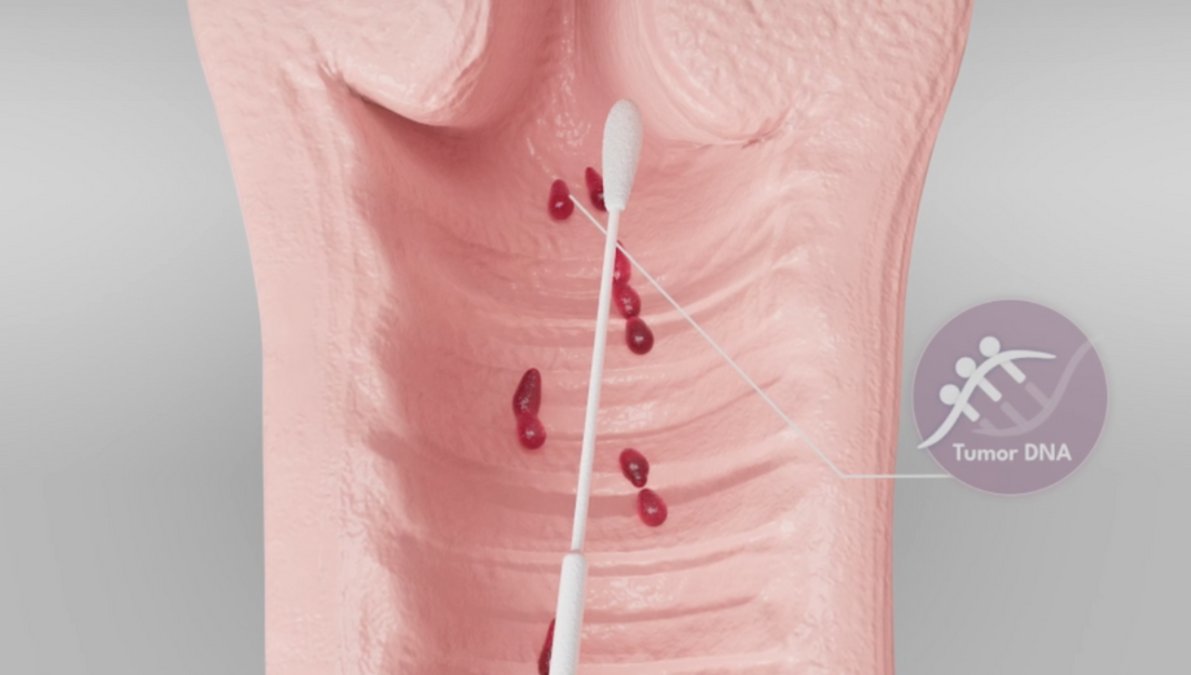
Speed in diagnostic pathways isn't simply about convenience, it's clinical necessity. A fast diagnostic pathway for malignancy assessment requires coordinated imaging, specialist evaluation, and often biopsy, ideally completed within days rather than weeks. The traditional NHS pathway, while thorough, typically involves multiple appointments spread across several weeks. Private diagnostic pathways compress this timeline by integrating consultation, imaging, and specialist review into focused, efficient sequences.
The difference between a two-week diagnostic pathway and an eight-week one affects not only clinical staging but also patient psychology. Women facing potential cancer diagnoses experience measurable anxiety during waiting periods. Rapid pathways reduce this burden while enabling faster access to treatment planning. This is why many women seek private gynaecological assessment when malignancy is suspected.
Comparison of Private Clinics Offering Rapid Gynaecology Diagnostic Pathways
Several London private clinics have developed simplified diagnostic services specifically for suspected gynaecological malignancy. Each clinic structures its pathway differently, balancing speed, expertise, and comprehensive assessment.
| Clinic | Key Pathway Feature | Specialist Focus | Typical Timeline |
|---|---|---|---|
| Mr Javaid Muglu | One-stop consultation and scan in single appointment | Gynaecological oncology, advanced laparoscopy | 24-48 hours from referral |
| The London Clinic Rapid Diagnostics | Coordinated imaging and specialist clinics with on-site testing | Multi-disciplinary rapid assessment | Days, not weeks |
| Cleveland Clinic London | Coordinated specialist care with screening services | Women's health and complex conditions | Contact for timeline |
| Guy's and St Thomas' Specialist Care | Fast diagnosis with pain relief support | Gynaecology with diagnostic focus | Contact for timeline |
The variation in structure reflects different clinical philosophies. Some clinics prioritise single-visit efficiency; others emphasise comprehensive multi-disciplinary input. Your choice depends on whether you value rapid answers above all, or prefer extensive specialist consultation even if it requires additional appointments.
Mr Javaid Muglu: One-Stop Consultation and Scan for Rapid Assessment
Mr Javaid Muglu's approach to suspected malignancy combines consultation and transvaginal ultrasound in a single appointment, eliminating delays between initial assessment and imaging. With over 20 years' experience in gynaecological oncology and as Lead for Gynaecological Oncology Services across Southeast London Cancer Alliance, Mr Muglu brings both rapid diagnostic capability and expert clinical judgment to the assessment process. His Gynaecological Cancers service is specifically designed to deliver rapid, expert evaluation for women with suspected malignancy.
The one-stop model works because it removes administrative friction. Rather than booking separate appointments for consultation and imaging, a process that typically spans two to three weeks, patients receive immediate assessment. During the consultation, Mr Muglu reviews symptoms, medical history, and clinical findings. The transvaginal ultrasound then follows within the same visit, providing real-time imaging data that informs immediate next-step decisions.
This model suits women who have already experienced diagnostic delays through NHS pathways and need rapid clarity. It also benefits those with strong family histories of gynaecological cancer or complex symptom presentations requiring specialist-level assessment from the outset.
The London Clinic: Rapid Diagnostics Centre for Gynaecology
The London Clinic's Rapid Diagnostics Centre explicitly structures its gynaecology pathway around speed. The service integrates advanced imaging, specialist clinics, and on-site testing to deliver what the clinic describes as "clarity in days, not weeks." This coordinated approach means imaging results feed directly into specialist consultation without administrative delays.
The clinic's strength lies in its infrastructure: multiple imaging modalities available on-site, specialist clinics operating with short scheduling windows, and testing facilities that enable rapid pathology processing. For women needing comprehensive assessment, imaging, specialist review, and potentially biopsy, all within a single facility, this integration reduces the fragmentation typical of traditional pathways.
The service aims at suspected malignancy specifically, making it a natural choice for women referred urgently by their GP or already under NHS investigation who seek private acceleration of the diagnostic process.
Cleveland Clinic London and Guy's and St Thomas': Coordinated Specialist Pathways
Cleveland Clinic London emphasises coordinated specialist care for complex women's health conditions, including screening and rapid assessment services. The clinic's model integrates multiple specialists to address complex presentations comprehensively. Guy's and St Thomas' Specialist Care similarly prioritises fast and accurate diagnosis, with explicit attention to pain management during diagnostic procedures, a consideration that matters when transvaginal ultrasound or biopsy is anticipated.
Both clinics suit women who prefer established NHS-affiliated institutions offering private access, or those with complex presentations requiring input from multiple specialists rather than single-clinician assessment.
Understanding Gynaecology Appointment Waiting Times and Booking Speed
Private gynaecology appointment waiting times vary significantly. The fastest clinics, particularly those with one-stop models, can often accommodate urgent suspected malignancy referrals within 24-48 hours. Clinics operating on a traditional multi-appointment pathway typically require one to two weeks for initial consultation, then additional weeks for imaging and follow-up specialist review.
Booking speed depends partly on infrastructure. Clinics with dedicated rapid diagnostic pathways maintain appointment slots specifically for urgent referrals. Clinics operating standard private practice models may require longer scheduling windows because appointments are distributed across routine and urgent cases.
When contacting a private clinic about suspected malignancy, explicitly state the urgency. Most clinics have protocols for fast-tracking suspected cancer referrals, but these may not be immediately obvious from standard booking information. Direct communication with the clinic's urgent referral team typically accelerates access.
Diagnostic Tests and Private Transvaginal Ultrasound in Rapid Pathways
Transvaginal ultrasound forms the cornerstone of rapid gynaecological diagnostic assessment. It provides high-resolution imaging of the uterus, ovaries, and pelvic structures, the primary sites of gynaecological malignancy. In rapid pathways, transvaginal ultrasound is typically performed during the same appointment as specialist consultation, enabling immediate interpretation and decision-making.
Advanced imaging modalities available in private clinics may include multiparametric ultrasound, MRI for complex cases, and CT for staging when malignancy is confirmed. Some clinics offer on-site histopathology services, enabling biopsy results within 24-48 hours rather than the standard five to seven days typical of traditional laboratory processing.
What to Expect from Private Transvaginal Ultrasound
Transvaginal ultrasound involves insertion of a small probe into the vagina to visualise pelvic structures from within (the NHS). The procedure typically lasts 10-15 minutes and causes minimal discomfort for most women, though those with significant pain or trauma history may experience anxiety. Many private clinics offer pre-procedure discussion with the clinician to address concerns and ensure comfort measures are in place.
During the scan, the specialist visualises the endometrium, myometrium, ovaries, and any masses or abnormalities. High-risk features, irregular vascularity, complex cystic components, or solid nodules, guide decisions about further imaging or biopsy. In rapid pathways, the specialist discusses findings immediately with the patient, explaining implications and next steps while imaging is fresh and questions can be addressed in real time.
How Suspected Gynaecological Cancer Referral Works in Private Practice
Suspected gynaecological cancer referral in private practice differs from NHS urgent referral pathways. In the NHS, GPs use Two-Week Wait criteria to refer suspected cancer cases to hospital gynaecology teams, triggering expedited assessment within 14 days. Private referral operates differently: patients contact private clinics directly, or GPs provide private referrals to specific consultants.
Private clinics typically fast-track suspected malignancy referrals to urgent slots, but the speed advantage depends on clinic infrastructure and current demand. Clinics with dedicated rapid diagnostic pathways process suspected malignancy referrals within hours; others may require standard booking windows.
For women already under NHS investigation, private assessment offers parallel acceleration: a private diagnostic pathway can run alongside NHS assessment, providing answers faster while preserving NHS options. This dual approach suits women who cannot tolerate extended waiting or whose symptoms suggest high-risk presentations requiring urgent specialist input.
Direct access to specialist assessment, without GP intermediary, is one practical advantage of private referral. Women can contact Mr Javaid Muglu or other specialists directly with imaging and clinical information, receiving rapid triage and booking.
Suspected gynaecological malignancy demands rapid, expert assessment. The fastest diagnostic pathways compress weeks of traditional assessment into days through integrated one-stop models, dedicated rapid clinics, and specialist-led imaging interpretation. Mr Javaid Muglu's one-stop consultation and scan approach, combined with over 20 years' experience in gynaecological oncology and leadership of Southeast London Cancer Alliance services, aims to deliver the rapid answers women need when malignancy is suspected. Book a consultation to access expert assessment and diagnostic clarity, ensuring early identification and rapid treatment planning for peace of mind and optimal outcomes.
Frequently Asked Questions
How quickly can I get a private gynaecology appointment for suspected malignancy?
Private clinics typically offer appointments within days rather than weeks. Many practices, including those offering One-Stop diagnostic pathways, can schedule urgent suspected malignancy cases within 2-5 working days. Speed depends on clinic capacity and your availability. Contact your chosen provider directly for their current waiting times, as these vary by season and demand. NHS urgent referrals (two-week waits) can take longer, making private pathways valuable when rapid diagnosis is essential.
What gynaecology diagnostic tests are included in a fast diagnostic pathway?
Fast diagnostic pathways typically combine consultation, transvaginal ultrasound, and potentially biopsy or tissue sampling in a single visit. Transvaginal ultrasound provides high-resolution imaging of the uterus, ovaries, and fallopian tubes. If findings suggest malignancy, some clinics perform endometrial biopsy or fine-needle aspiration on the same day. Blood tests and histology may follow. The specific tests depend on your symptoms and initial ultrasound findings. Your gynaecologist will explain which tests are needed before your appointment.
Can a private gynaecologist refer me to an NHS cancer pathway if malignancy is suspected?
Yes. Private gynaecologists can refer you to NHS cancer services if malignancy is suspected. Many patients use private rapid diagnostics to confirm or rule out cancer quickly, then transition to NHS treatment if needed. Some private consultants, including those with NHS roles, can coordinate this handover. Discuss referral options with your private gynaecologist before your appointment. Having a confirmed diagnosis from private imaging and biopsy can actually speed up your NHS pathway, as you arrive with clear diagnostic information rather than requiring repeat testing.
What is a private transvaginal ultrasound and how does it help diagnose gynaecological cancer?
A transvaginal ultrasound uses a small probe inserted into the vagina to create detailed images of the uterus, ovaries, and surrounding tissue. It provides superior resolution compared to abdominal ultrasound, making it ideal for detecting abnormal growths, thickened endometrium, or ovarian masses that may indicate malignancy. The procedure is quick (10-15 minutes) and performed during your consultation. It is the first-line imaging for suspected endometrial and ovarian cancer. Results are usually discussed immediately, allowing your gynaecologist to decide if biopsy or further testing is needed on the same day.
How does a suspected gynaecological cancer referral differ between private and NHS pathways?
NHS suspected cancer referrals follow a two-week urgent pathway, where your GP refers you and the hospital aims to see you within 14 days. Private referrals are faster: you contact a clinic directly, book an appointment within days, and receive diagnosis and imaging in a single visit. Private pathways avoid NHS waiting lists but require out-of-pocket payment. Some private consultants hold both NHS and private roles, offering flexibility. The diagnostic quality is similar, but private pathways prioritise speed and convenience. After private diagnosis, you can return to NHS treatment if needed.