 ultimate-guide
Gynaecological Cancer Screening: A Guide to Early Detection
Table of Contents
- Why Gynaecological Cancer Screening Matters
- Understanding the Cervical Screening Programme
- Recognising Ovarian Cancer Symptoms Early
- The Role of Pelvic Ultrasound Scan in Diagnosis
- Investigating Postmenopausal Bleeding
- Advanced Screening and One Stop Diagnostic Clinics
- Taking Action: Your Next Steps in Screening
- Frequently Asked Questions
Last Updated: September 18, 2026
Why Gynaecological Cancer Screening Matters
Gynaecological cancer screening saves lives. Early detection transforms outcomes from advanced disease into manageable conditions caught before they spread. Yet many women remain uncertain about which screenings they actually need, when to have them, and what symptoms warrant urgent investigation.
The anxiety around gynaecological health is real. Women often worry they're either missing something serious or being over-investigated. With Mr Javaid Muglu, we address this directly by explaining what screening achieves, who needs it, and how modern diagnostic methods work to give you answers quickly.
Screening programmes exist because they work. They identify precancerous changes before they become cancer, and they catch early-stage cancers when treatment is most effective. Understanding your screening options removes uncertainty and puts you in control of your health.
Understanding the Cervical Screening Programme
The cervical screening programme is the most established cancer screening service available to women. It detects abnormal cell changes in the cervix before they develop into cervical cancer. The programme has dramatically reduced cervical cancer rates since it began.
Screening typically involves a smear test, where cells from the cervix are collected and examined for human papillomavirus (HPV) infection and abnormal changes. The test itself takes minutes. Results guide whether you need further investigation or simply routine screening at your next interval.
Eligibility and frequency depend on your age and previous results. Invitations are sent by your NHS service at appropriate intervals. If you've had abnormal results previously, follow-up may be more frequent. Understanding your personal screening history helps you know what to expect next.
The programme works because it catches changes early. Women who attend screening have significantly better outcomes than those who don't. Missing invitations means missing the opportunity for early intervention.
Recognising Ovarian Cancer Symptoms Early
Ovarian cancer symptoms are often subtle and easy to dismiss as normal. This is why ovarian cancer is frequently diagnosed at a later stage than cervical cancer. Knowing what to watch for means you can seek investigation before symptoms become severe.
Common ovarian cancer symptoms include persistent bloating, pelvic or abdominal pain, feeling full quickly when eating, and changes in bowel or bladder habits. These symptoms can persist for weeks or months. They're often attributed to other causes, which is why many women delay seeking help.
The challenge with ovarian cancer symptoms is their non-specificity. Bloating and abdominal discomfort have many causes. However, when symptoms are new, persistent, and different from your normal pattern, they warrant investigation. Don't assume they'll resolve on their own.
Postmenopausal women should be particularly alert. Any vaginal bleeding after menopause stops is abnormal and needs assessment. Pelvic pain in postmenopausal women also deserves investigation. These symptoms are less common in this age group, which makes them more significant when they occur.
Early investigation of ovarian cancer symptoms can catch the disease at a more treatable stage. The difference between early and late diagnosis is substantial. If symptoms concern you, request a pelvic ultrasound scan to rule out serious pathology.
The Role of Pelvic Ultrasound Scan in Diagnosis
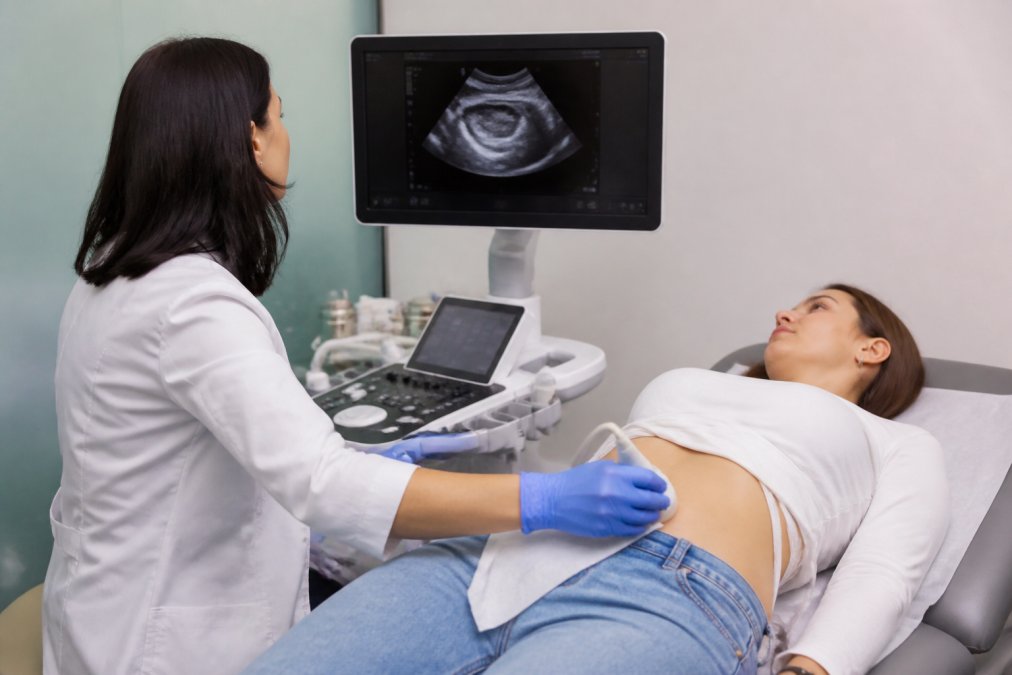
A pelvic ultrasound scan is the first-line imaging investigation for most gynaecological concerns. It's non-invasive, uses no radiation, and provides detailed images of your uterus, ovaries, and surrounding structures. Most women find the procedure straightforward and tolerable.
The scan can be performed transabdominally (across the abdomen) or transvaginally (with a small probe inserted into the vagina). Transvaginal scanning provides superior image quality for ovarian assessment and is standard practice when investigating ovarian cancer symptoms. Both approaches are safe and well-tolerated.
A pelvic ultrasound scan detects ovarian cysts, fibroids, endometrial thickening, and other structural abnormalities. It measures ovarian volume and characterises cyst appearance. These findings help determine whether further investigation is needed or whether reassurance is appropriate.
The scan takes 15-20 minutes. Results are usually available within days. If findings are concerning, your doctor will discuss next steps, which may include additional imaging, blood tests, or specialist referral.
Investigating Postmenopausal Bleeding
Postmenopausal bleeding is abnormal and requires investigation (the NHS). Any vaginal bleeding after 12 months without a period warrants assessment (Postmenopausal bleeding - Poster). This includes light spotting, which some women dismiss as insignificant but which can indicate serious pathology.
The most common cause is atrophic changes in the vaginal tissue, which is benign but treatable. However, postmenopausal bleeding can also indicate endometrial cancer, particularly if bleeding is heavy or recurrent. Investigation is essential to distinguish between these possibilities.
Initial assessment includes a pelvic examination and transvaginal ultrasound scan. The scan measures endometrial thickness and checks for abnormal appearances. If the endometrium appears thickened or abnormal, endometrial biopsy may be recommended to obtain tissue diagnosis.
Endometrial biopsy is a quick outpatient procedure. A thin catheter is passed through the cervix into the uterus, and a small tissue sample is collected. Results guide treatment decisions. Many cases of postmenopausal bleeding can be managed conservatively once serious causes are excluded.
The key principle is prompt investigation. Postmenopausal bleeding investigation should not be delayed. Early assessment prevents advanced disease and provides peace of mind when results are reassuring.
Advanced Screening and One Stop Diagnostic Clinics
One Stop diagnostic clinics combine consultation, imaging, and biopsy in a single appointment. This approach eliminates the anxiety of multiple visits and provides answers quickly. For women with suspected gynaecological cancer, this efficiency is invaluable.
A One Stop clinic typically begins with history and examination. Transvaginal ultrasound scan follows immediately. If findings suggest malignancy, tissue biopsy can be performed during the same visit using ultrasound guidance. Results are usually available within days.
This integrated approach reduces the diagnostic interval, the time between initial symptoms and final diagnosis. For women with cancer, shorter diagnostic intervals improve outcomes. The psychological benefit of getting answers in one visit, rather than waiting between multiple appointments, is also significant.
Advanced screening in specialist centres may include additional tests such as CA125 blood tests for ovarian cancer risk assessment. These tests help stratify risk and determine which women need further investigation. Combined assessment is more powerful than any single test alone.
Mr Javaid Muglu leads gynaecological oncology services and offers One Stop diagnostic clinics for women with suspected gynaecological cancer. Rapid assessment combined with expert evaluation means you get answers and a clear treatment plan. This approach is particularly valuable for perimenopausal and postmenopausal women navigating complex symptoms.
Taking Action: Your Next Steps in Screening
If you're due for cervical screening, attend your appointment. The cervical screening programme works only when women participate. A single smear test takes minutes and provides substantial protection against cervical cancer.
If you're experiencing symptoms, persistent bloating, pelvic pain, postmenopausal bleeding, or changes in bowel or bladder function, don't wait. Request investigation from your GP. Describe your symptoms clearly and mention how long they've persisted. If your GP is dismissive, seek a second opinion from a gynaecology specialist.
Perimenopausal and postmenopausal women should be alert to symptoms that seem abnormal for your age. Hormonal changes are common, but they shouldn't cause severe pain or significant bleeding. Specialist assessment can distinguish between benign hormonal changes and pathology requiring treatment.
Consider your risk factors. Family history of gynaecological cancer, known BRCA mutations, or previous abnormal screening results increase your risk. If you have these risk factors, discuss screening intensity with your doctor. You may benefit from more frequent assessment or additional investigations.
Specialist gynaecological cancer screening is available through the private sector for those seeking rapid assessment. Mr Javaid Muglu offers expert evaluation and One Stop diagnostic clinics for women with suspected gynaecological cancer, providing answers and treatment planning.
Gynaecological cancer screening and early symptom investigation transform outcomes. Uncertainty about whether symptoms are serious creates anxiety that delays investigation. Mr Javaid Muglu provides rapid, expert assessment through One Stop diagnostic clinics, combining consultation, imaging, and biopsy in a single appointment. With 20+ years of experience in gynaecological oncology and advanced laparoscopic surgery, Mr Javaid Muglu offers personalised evaluation and minimally invasive treatment planning. Book a consultation to discuss your gynaecological health concerns and receive expert guidance tailored to your specific situation.
Frequently Asked Questions
What types of gynaecological cancer screening are available?
Screening varies by cancer type. Cervical screening through the NHS cervical screening programme detects precancerous changes. Ovarian cancer screening is not routinely offered to all women, but those at high risk may receive transvaginal ultrasound. Endometrial cancer screening is typically triggered by symptoms like postmenopausal bleeding rather than routine screening. Your consultant can advise which screening suits your risk profile and age.
Is there a screening programme for ovarian cancer in the UK?
The NHS does not offer routine ovarian cancer screening to asymptomatic women in the general population. However, women at increased risk, such as those with a family history of ovarian cancer or genetic mutations like BRCA, may be offered surveillance with pelvic ultrasound and blood tests. Specialist clinics can assess your individual risk and recommend appropriate monitoring if needed.
What symptoms should prompt me to seek a gynaecological consultation?
Seek specialist advice if you experience persistent pelvic pain, abnormal vaginal bleeding (including postmenopausal bleeding), bloating lasting more than a few weeks, changes in bowel or bladder habits, or a family history of gynaecological cancer. Early investigation of these symptoms through diagnostic testing can identify problems before they progress. Don't dismiss symptoms as normal; expert assessment provides clarity and peace of mind.
How quickly can I access gynaecological cancer screening through private consultation?
Private gynaecological clinics typically offer rapid access to consultation and diagnostic imaging. Many specialists provide One Stop clinics where you can have consultation, pelvic ultrasound scan, and biopsy in a single appointment. This streamlined approach means you receive answers and can begin treatment planning, which is especially important for suspected cancer cases.