 comparison
Laparoscopic vs Open Gynaecological Surgery: Choosing
Last Updated: 23 October 2026
Quick Summary
Choosing between laparoscopic and open gynaecological surgery depends on how much access the surgeon needs to operate safely. Laparoscopic surgery uses small incisions and a camera for faster recovery, while open surgery uses a single larger incision for very large fibroids, suspected cancer or dense adhesions.
- Laparoscopic surgery uses ports of 5 to 10 millimetres, while open surgery uses a 10 to 20 centimetre incision.
- Laparoscopic hysterectomy patients often go home the same day or after one night.
- Open hysterectomy recovery typically takes four to six weeks before returning to normal activity.
- Ask your surgeon how many laparoscopic procedures of your type they perform each year.
- Do not assume keyhole surgery is automatically safer for a suspected ovarian malignancy.
Table of Contents
- Laparoscopic vs Open Gynaecological Surgery: The Core Differences
- Laparoscopic vs Open Hysterectomy: A Side-by-Side Comparison
- Pros and Cons of Laparoscopic Surgery
- Pros and Cons of Open Surgery
- Laparoscopic Hysterectomy Recovery: What to Expect
- Open Hysterectomy Recovery Time and What It Involves
- Questions to Ask Before Hysterectomy or Other Gynaecological Surgery
- Making the Decision: Laparoscopic or Open Gynaecological Surgery?
- Frequently Asked Questions
Laparoscopic vs Open Gynaecological Surgery: The Core Differences
Choosing between laparoscopic and open gynaecological surgery comes down to one question: how much access does the surgeon need to do the job safely? Laparoscopic surgery is a minimally invasive approach that uses small incisions and a camera, while open surgery uses a single larger incision. At Mr Javaid Muglu's practice, we explain both routes plainly, because the right choice depends on your diagnosis, your anatomy and your history, not on fashion.
The core difference is access. Laparoscopic surgery gives an excellent view of the pelvis through keyhole ports, with less tissue trauma and faster healing. Open surgery gives direct, hands-on access to large fibroids, dense scar tissue or suspected cancer that needs wide clearance. Neither is "better" in the abstract. Each is better for specific problems.
How Each Approach Works
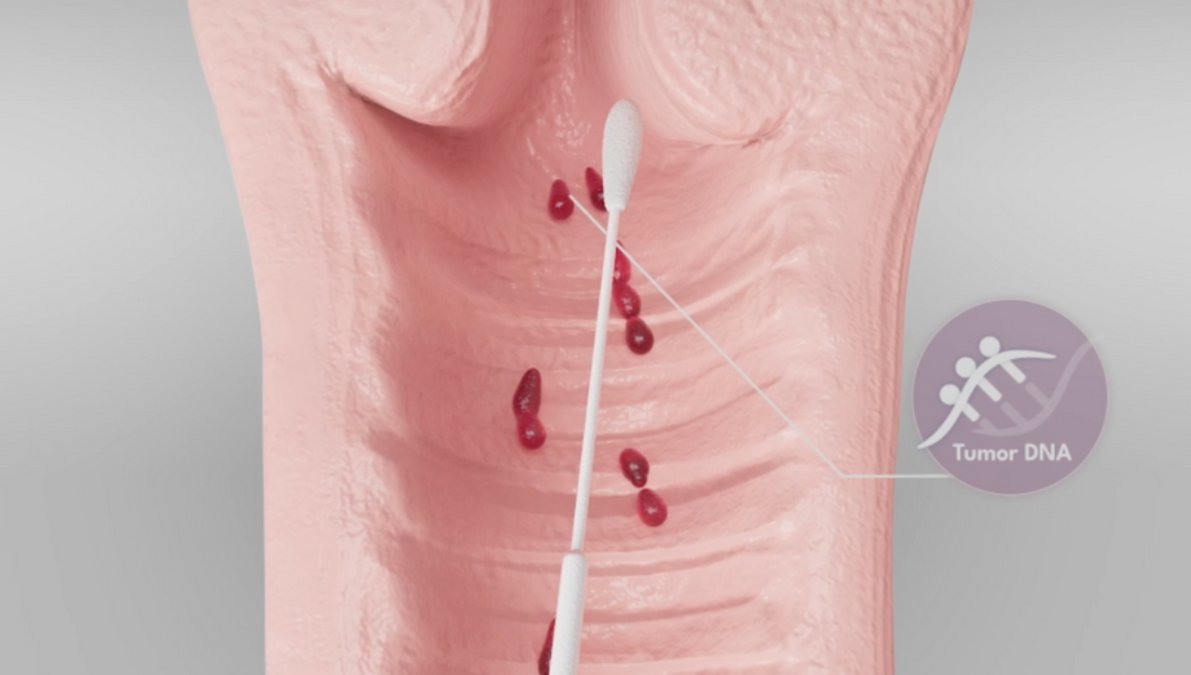
Laparoscopic surgery is a technique where the surgeon operates through several small incisions, usually 5 to 10 millimetres wide, using a camera and fine instruments. Carbon dioxide gas lifts the abdominal wall to create working space (Peritoneal adhesion scoring through a colorectal stoma). The surgeon watches a magnified image on a screen and removes tissue through the ports or, for a hysterectomy, through the vagina.
Open surgery uses a single abdominal incision, typically a horizontal or vertical cut across the lower abdomen. The surgeon works directly with their hands and standard instruments. This remains the safest route for very large uteri, suspected malignancy requiring staging, or when dense adhesions make keyhole access unsafe.
If you are unsure how major a laparoscopy actually feels, our guide on what to expect from a laparoscopy walks through the practicalities.
Laparoscopic vs Open Hysterectomy: A Side-by-Side Comparison
The table below summarises the practical differences most patients ask about. It is a starting point for a conversation with your surgeon, not a substitute for one.
| Factor | Laparoscopic Hysterectomy | Open (Abdominal) Hysterectomy |
|---|---|---|
| Incision size | Several 5-10 mm ports | Single 10-20 cm incision |
| Typical hospital stay | Often same day to 1 night | Usually 2-4 nights |
| Return to light activity | Around 2-3 weeks | Around 4-6 weeks |
| Blood loss | Generally lower | Generally higher |
| Best suited to | Moderate fibroids, endometriosis, prolapse | Very large fibroids, cancer staging, dense adhesions |
| Scarring | Small marks | Visible abdominal scar |
Recovery figures vary by individual, so treat these as general patterns rather than promises. Your surgeon will give you a personalised estimate based on your procedure and health.
Pros and Cons of Laparoscopic Surgery
Laparoscopic surgery wins on recovery, and that matters enormously if you work, care for others or simply want your life back. Smaller incisions mean less post-operative pain, shorter hospital stays and a quicker return to normal activity. The magnified camera view also lets an experienced surgeon see endometriosis deposits and fine adhesions clearly.
The drawbacks are real. Keyhole surgery demands significant surgical skill, and it is not suitable for every case. Very large fibroids may need morcellation or conversion to open surgery. There is also a learning curve for the surgeon, which is why volume and subspecialist experience matter.
For a broader look at why minimally invasive routes are often preferred, read about the benefits of minimally invasive gynaecological surgery.
Pros and Cons of Open Surgery
Open surgery remains the right choice in specific situations, and patients should not see it as a failure. When a fibroid uterus is very large, when cancer staging requires wide clearance and lymph node assessment, or when adhesions are dense from previous operations, direct access is safer. The surgeon can feel tissue, control bleeding immediately and complete complex work in one sitting.
The trade-offs are a longer recovery, a more visible scar and a higher chance of wound complications. Hospital stays stretch over several days. For patients with significant medical frailty, the larger physiological stress of open surgery also needs weighing.
Laparoscopic Hysterectomy Recovery: What to Expect
Recovery from a laparoscopic hysterectomy is usually measured in weeks, not months. Most patients go home within a day, manage discomfort with simple pain relief, and return to desk-based work within two to three weeks. Vaginal bleeding and discharge can continue for a few weeks as internal stitches dissolve.
Energy levels fluctuate. A common mistake is doing too much in week two because you feel better, then paying for it in week three. Build activity gradually. Avoid heavy lifting and swimming until cleared.
For a detailed timeline, our week-by-week hysterectomy recovery guide sets out what each stage typically involves.
Open Hysterectomy Recovery Time and What It Involves
Open hysterectomy recovery takes longer, typically four to six weeks before returning to normal activity and up to eight weeks before strenuous exercise. The abdominal incision needs careful wound care, and you should watch for redness, discharge or fever. Hospital stays of two to four nights are common.
Pain control often needs a stepped approach in the first week. Constipation is a frequent issue after abdominal surgery, so stool softeners and early mobilisation help. Driving usually resumes once you can perform an emergency stop comfortably.
If you are weighing up laparoscopy more generally, our guide on exploratory laparoscopy recovery covers how long that specific procedure takes to recover from.
Questions to Ask Before Hysterectomy or Other Gynaecological Surgery
The single best thing you can do before surgery is arrive prepared with questions. A good consultation welcomes them. Ask why a particular approach is recommended for your case, what the alternatives are, and what happens if the planned approach needs to change mid-operation.
Use this checklist:
- Why is this approach recommended for my specific diagnosis?
- What are the alternatives, and why are they less suitable for me?
- What is your personal experience and complication rate with this procedure?
- Will you convert to open surgery if needed, and how will I be told?
- What are the risks of bleeding, infection and blood clots?
- How long will I stay in hospital, and when can I drive and work?
- Will I need hormone treatment or further surgery afterwards?
- Who do I contact if something worries me during recovery?
If you are preparing to book, our step-by-step private gynaecology consultation guide explains what the appointment involves.
Making the Decision: Laparoscopic or Open Gynaecological Surgery?
The right answer is the one matched to your diagnosis and your surgeon's honest assessment. Laparoscopic surgery offers faster recovery and less pain for many benign conditions. Open surgery offers safer access for large fibroids, suspected cancer and complex adhesions. A surgeon who performs both, and who explains the reasoning, is your best guide.
At Mr Javaid Muglu's practice, advanced laparoscopic surgery sits alongside oncology expertise, so the recommendation follows the clinical facts rather than a preferred technique. One Stop clinics combine consultation and scan in a single visit, which shortens the wait for answers. If you are weighing up choosing between laparoscopic and open gynaecological surgery, a conversation with a surgeon who does both is the sensible next step.
Frequently Asked Questions
What is the difference between laparoscopic and open gynaecological surgery?
Laparoscopic surgery uses several small incisions (usually 5-10mm) through which a camera and slim instruments are passed, so the surgeon works while viewing a magnified image on a screen. Open surgery uses a single larger abdominal incision, giving the surgeon direct access and a wider view of the pelvis. The approach affects recovery speed, scarring, blood loss and which operations are suitable, but both are established techniques for conditions such as fibroids, endometriosis and suspected cancer.
Is laparoscopic surgery always safer than open surgery?
No. Laparoscopic surgery generally means smaller scars, less post-operative pain and a shorter hospital stay, but it is not automatically safer for every patient. Factors such as the size of fibroids, previous abdominal surgery, suspected cancer spread or severe endometriosis can make open surgery the better choice. Your surgeon should explain why a particular approach is recommended for your case, including the risks of conversion to open surgery if needed.
How long is recovery after a laparoscopic hysterectomy compared with open surgery?
Most women having a laparoscopic hysterectomy can expect to return to light activities within two to three weeks and to work in around three to four weeks, depending on their job. Open hysterectomy recovery time is typically longer, often six to eight weeks before returning to normal activity and work. Your surgeon will give personalised guidance based on the extent of surgery, your general health and any complications during the procedure.
What should I ask my surgeon before choosing between laparoscopic and open surgery?
Ask which approach is recommended and why, how many of these procedures your surgeon performs each year, and what the risks and conversion rates are. Also ask about expected recovery time, scarring, pain management, and whether a One Stop clinic assessment can confirm the diagnosis before surgery. Writing your questions down before the consultation helps you cover everything and make a confident, informed decision.
The uncertainty before gynaecological surgery is often worse than the surgery itself. A clear explanation of why one approach suits you better than another removes much of that anxiety. Mr Javaid Muglu offers advanced laparoscopic surgery, oncology expertise and One Stop clinics that combine consultation and scan in a single appointment, with personalised planning for every patient. Get started with Mr Javaid Muglu and make your decision with clear, expert guidance.