 ultimate-guide
Minimally Invasive Gynaecological Surgery Benefits
Table of Contents
- What Minimally Invasive Gynaecological Surgery Offers
- Laparoscopic Surgery vs Open Surgery: Key Differences
- Recovery and Return to Normal Activity
- Hysterectomy Recovery Time After Minimally Invasive Procedures
- Preparing for Minimally Invasive Gynaecological Surgery
- Pain Management and Scarring: What the Evidence Shows
- Conditions Treated Through Minimally Invasive Approaches
- Frequently Asked Questions
Last Updated: September 30, 2026
What Minimally Invasive Gynaecological Surgery Offers
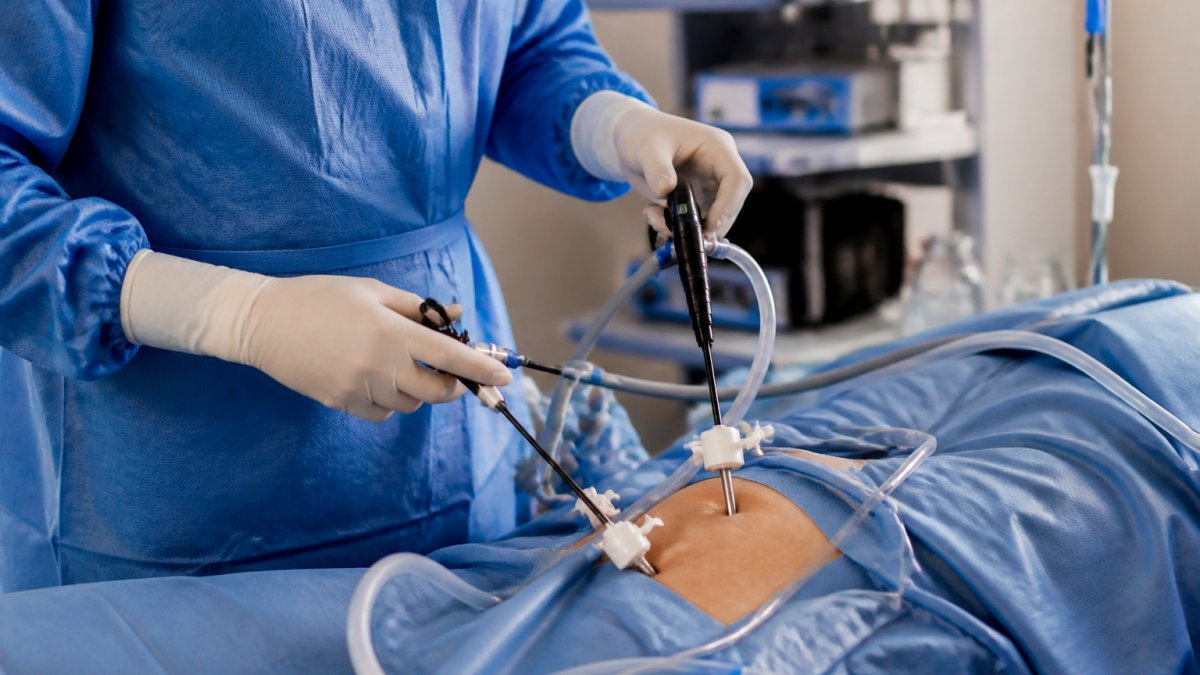
Minimally invasive gynaecological surgery represents a fundamental shift in how complex gynaecological conditions are treated. Rather than large incisions that require extended recovery periods, these procedures use small openings, typically 5-10mm, through which specialised instruments and cameras are inserted to visualise and treat the problem directly. The approach addresses conditions ranging from endometriosis and fibroids to suspected malignancies, all whilst preserving tissue and reducing trauma to surrounding structures.
At Mr Javaid Muglu's practice, minimally invasive gynaecological surgery forms the cornerstone of advanced care. The benefits extend far beyond what's visible on the surface. Patients experience significantly reduced post-operative pain, shorter hospital stays, and faster return to normal activities compared to open surgical approaches. For women with endometriosis, the precision of laparoscopic visualisation allows complete excision of disease, which translates to better symptom relief and reduced recurrence rates.
The psychological impact matters equally. Women who've endured years of diagnostic uncertainty or repeated failed treatments find that a single, comprehensive assessment combined with definitive surgical intervention restores both physical wellbeing and peace of mind. This is particularly true for patients navigating suspected gynaecological cancer, where rapid diagnosis and treatment planning can be genuinely life-changing.
Laparoscopic Surgery vs Open Surgery: Key Differences
The distinction between minimally invasive gynaecological surgery and traditional open surgery comes down to access, trauma, and recovery. Open procedures require incisions of 10-15cm or larger, necessitating division of multiple tissue layers to reach the target organ. Laparoscopic surgery achieves the same outcome through 2-3 small ports, each typically 5-10mm in length.
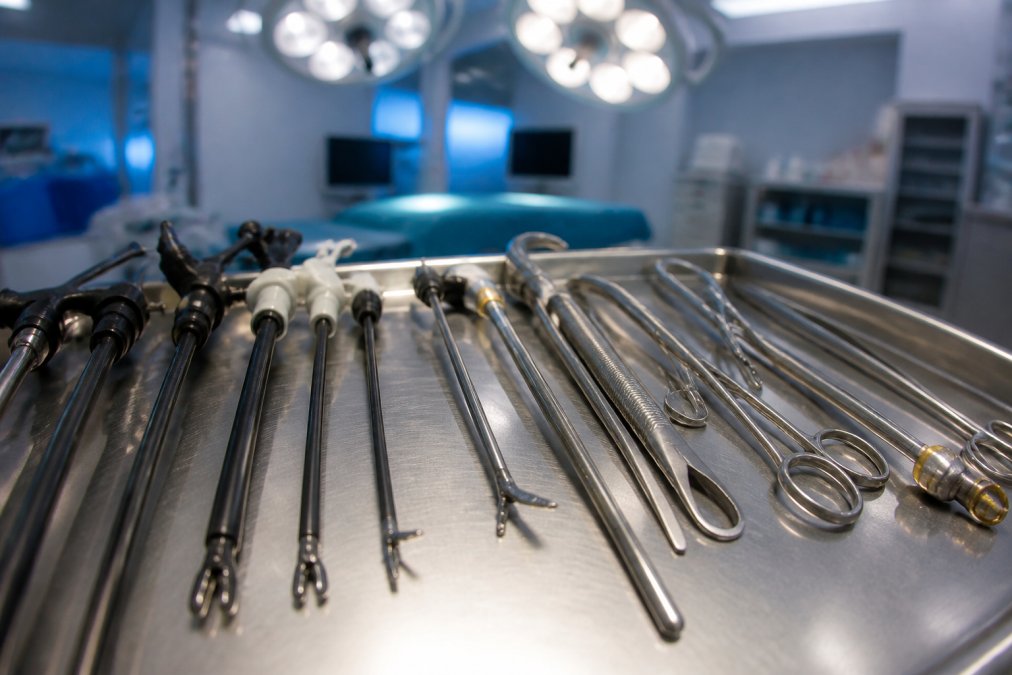
This technical difference produces cascading advantages. Blood loss is substantially lower during laparoscopic procedures because the surgeon works under magnified visualisation. Wound infection rates can be lower since smaller incisions mean less tissue exposure and faster healing. Hospital stays can be shorter, often allowing for same-day discharge or overnight observation.
Pain management becomes simpler. Open surgery pain stems partly from the incision itself, tissue trauma, muscle division, and the inflammatory response to large wounds. Laparoscopic patients often report manageable discomfort controlled with standard analgesics. The psychological benefit of avoiding a visible abdominal scar shouldn't be underestimated either, particularly for younger women concerned about body image.
Recovery timelines tell the real story. Laparoscopic hysterectomy can allow for a faster return to normal activity compared to open hysterectomy.
Recovery and Return to Normal Activity
Recovery after minimally invasive gynaecological surgery follows a predictable pattern. The first week involves managing minor discomfort, which most patients describe as muscle soreness rather than surgical pain. Shoulder pain, caused by carbon dioxide gas used to inflate the abdomen during surgery, typically resolves within 48-72 hours and responds well to simple analgesia and movement.
By day 3-5, most patients are managing household tasks independently. Walking becomes comfortable almost immediately, and many women find that gentle movement actually accelerates recovery by improving circulation and reducing bloating. Heavy lifting and strenuous exercise require 4-6 weeks of caution, but this is a practical limitation rather than a strict prohibition, the tissue has usually healed sufficiently by week 2-3 to tolerate normal activity without risk.
Return to work depends on job demands. Desk-based work resumes within 1-2 weeks for most patients. Physically demanding roles require longer, typically 4-6 weeks, not because the surgery itself prevents activity, but because fatigue and minor discomfort make prolonged physical effort unpleasant. Sexual activity can usually resume once any vaginal discharge settles, typically around 2-3 weeks post-operatively.
One often-overlooked benefit: the absence of a large scar means no restrictions on clothing, swimming, or activities that would expose the abdomen. This matters more than it initially sounds, particularly during summer months or for women who exercise regularly.
Hysterectomy Recovery Time After Minimally Invasive Procedures
Hysterectomy recovery time differs markedly depending on surgical approach. A laparoscopic hysterectomy can result in a faster functional recovery compared to open hysterectomy. This difference reflects the amount of tissue trauma.
The first two weeks post-laparoscopic hysterectomy involve managing vaginal discharge (which can be heavier than expected) and avoiding tampons in favour of pads. By week 3, most women feel substantially normal, though some report persistent mild fatigue that extends into week 4-5. This fatigue is partly physiological, the body is responding to hormonal changes if ovaries were retained, and partly psychological, as women adjust to the permanence of the procedure.
Driving becomes safe once pain is controlled without strong analgesia and reflexes are unimpaired, typically 1-2 weeks post-operatively. Returning to exercise requires similar caution. Walking and gentle stretching pose no risk within days of surgery, but high-impact exercise and heavy resistance training should wait 4-6 weeks to allow internal healing to progress fully.
The advantage for working women can be substantial, potentially allowing for a quicker return to work.
Preparing for Minimally Invasive Gynaecological Surgery
Preparation begins well before the operating theatre. Pre-operative assessment includes blood tests, imaging (usually ultrasound or MRI), and assessment of anaesthetic fitness. For women with complex histories, previous surgery, significant comorbidities, or suspected malignancy, thorough investigation prevents intra-operative surprises and ensures the surgical team has a clear plan.
Practical preparation matters equally. Two weeks before surgery, stopping smoking (even if only temporarily) significantly improves wound healing and reduces post-operative complications. Alcohol should be minimised for similar reasons. Medications require careful review, anticoagulants and antiplatelet drugs typically need adjustment, whilst routine medications usually continue until the morning of surgery.
Bowel preparation depends on the procedure. Simple gynaecological surgery (removal of fibroids, endometriosis excision) rarely requires bowel preparation. More complex cases involving bowel endometriosis or extensive adhesions may benefit from a clear liquid diet for 24 hours pre-operatively, though this is increasingly considered optional rather than mandatory.
Psychological preparation is often overlooked but genuinely valuable. Women who understand exactly what will happen, how long they'll be asleep, what they'll feel when waking, what the first few days will involve, report less anxiety and better post-operative recovery. Mr Javaid Muglu's team typically dedicates time to this discussion, ensuring women feel genuinely informed rather than simply consented.
Practical arrangements matter too. Arrange someone to drive you home (you cannot drive after general anaesthesia). Plan for at least 48 hours of reduced activity post-operatively. Stock the house with easy meals, comfortable loose clothing, and entertainment that doesn't require concentration. These details transform the first week from chaotic to manageable.
Pain Management and Scarring: What the Evidence Shows
Post-operative pain after minimally invasive gynaecological surgery is typically mild to moderate, controlled with standard analgesics. Most women require paracetamol and ibuprofen for 3-5 days, then switch to paracetamol alone for another week. Stronger analgesia is rarely needed unless complications occur.
Shoulder pain, referred pain from diaphragmatic irritation caused by surgical gas, affects roughly 50-70% of patients but resolves completely within 72 hours in nearly all cases. This pain, whilst uncomfortable, is entirely benign and responds reliably to simple measures: walking, positioning, and time.
Scarring represents one of minimally invasive gynaecological surgery's most compelling advantages. The three small incisions (typically at the umbilicus and lower abdomen) heal to barely visible marks within months. For many women, the scars are undetectable by 12 months. This contrasts sharply with open hysterectomy, where a 10-15cm vertical or horizontal incision remains visible indefinitely, even after healing.
Internal adhesions, scar tissue forming between organs, can occur less frequently after laparoscopic surgery than open surgery, partly because there's less tissue trauma (pubmed.ncbi.nlm.nih.gov). This can have implications for future fertility or re-operation if needed.
Conditions Treated Through Minimally Invasive Approaches
Endometriosis represents the classic indication for minimally invasive gynaecological surgery. Laparoscopic excision, complete removal of endometrial implants, can offer significant pain relief and may reduce recurrence rates. Women with severe endometriosis pain who've failed medical management may find that precise laparoscopic excision provides significant relief.
Uterine fibroids can be managed laparoscopically when they're accessible and of reasonable size. Myomectomy (fibroid removal) preserves the uterus, making it suitable for women who wish to retain fertility or simply prefer to keep their uterus. A laparoscopic approach can reduce recovery time compared to open myomectomy.
Suspected gynaecological malignancy represents an increasingly important indication. One-stop diagnostic clinics combining consultation, imaging, and tissue diagnosis in a single appointment allow rapid assessment and treatment planning. Minimally invasive surgical staging of ovarian or endometrial cancer can often be performed laparoscopically, potentially reducing recovery time and allowing quicker initiation of adjuvant treatment if needed.
Ovarian cysts and other benign ovarian pathology frequently require surgical intervention. A laparoscopic approach allows cyst removal whilst preserving ovarian function, a substantial advantage for younger women concerned about premature ovarian insufficiency. Adhesiolysis, division of scar tissue, can also be performed laparoscopically, though this requires meticulous technique to avoid bowel injury.
Recurrent miscarriage, when caused by structural abnormalities or uterine pathology, sometimes benefits from hysteroscopic or laparoscopic assessment and treatment.
Frequently Asked Questions
What are the main benefits of minimally invasive gynaecological surgery?
Minimally invasive gynaecological surgery offers several advantages over traditional open procedures. Patients experience significantly less post-operative pain, smaller incisions (typically 5-10mm) that result in minimal scarring, and faster recovery times. Most women can return to light activities within 1-2 weeks. The procedure can also reduce blood loss, lower infection risk, and involve shorter hospital stays.
How long is the recovery time for laparoscopic gynaecological surgery?
Recovery from laparoscopic gynaecological surgery is substantially faster than open surgery. Most patients return to light activities within 1-2 weeks and resume normal routines within 3-4 weeks. However, individual recovery varies depending on the procedure's complexity and your overall health. You should avoid heavy lifting and strenuous exercise during the first 4 weeks. Your surgeon will provide specific guidance based on your procedure, and attending follow-up appointments ensures any concerns are addressed promptly.
Is minimally invasive surgery safer than traditional open surgery?
Minimally invasive gynaecological surgery can have benefits such as smaller incisions, which may reduce infection risk, blood loss, and post-operative pain. Hospital stays can be shorter. However, safety depends heavily on surgeon expertise and appropriate patient selection. Complications can still occur with any surgical procedure.
What should I expect when preparing for gynaecological surgery?
Pre-operative preparation for minimally invasive gynaecological surgery involves several steps to ensure safety and optimal outcomes. You'll have pre-operative assessments including blood tests and imaging. Your surgeon will discuss anaesthesia options and review your medical history. Fasting requirements typically begin 6 hours before surgery. You should arrange transport home as you won't be able to drive after anaesthesia. Discuss medications with your surgical team, as some may need adjustment. Attending pre-operative consultations allows you to ask questions and understand what to expect, reducing anxiety before your procedure.