 listicle
Best Private Gynaecologist in London for Laparoscopic Surgery
Table of Contents
- What Advanced Laparoscopic Surgery Involves and Who Needs It
- Comparing Private Gynaecologists in London for Laparoscopic Surgery
- Endometriosis Specialist Care and Excisional Treatment
- Laparoscopic Surgery Recovery Time: What to Expect Week by Week
- Gynaecological Surgery Costs and Insurance in Private Care
- Choosing the Best Private Gynaecologist in London for Your Needs
- Conclusion: Making a Confident Decision About Your Surgery
- Frequently Asked Questions
Last Updated: 12 October 2026
What Advanced Laparoscopic Surgery Involves and Who Needs It
Advanced laparoscopic surgery, often called gynaecological keyhole surgery, is a minimally invasive technique offered by a private gynaecologist London patients can trust, where a surgeon operates through several small incisions rather than one large cut. A thin camera and fine instruments are passed through these openings, giving the surgeon a magnified view of the pelvis on a screen.
For women with severe endometriosis, fibroids or suspected gynaecological cancer, this approach can mean less pain, smaller scars and a faster return to normal life. At Mr Javaid Muglu, we see many patients who have spent years being told their symptoms were "just bad periods". Most of them need answers, not reassurance.
Two groups benefit most. The first is women with complex conditions that have not responded to standard treatment. The second is women who need urgent assessment for suspected cancer, where speed and accuracy matter enormously.
Conditions Treated With Gynaecological Keyhole Surgery
Keyhole surgery treats a defined set of gynaecological problems. The most common are:
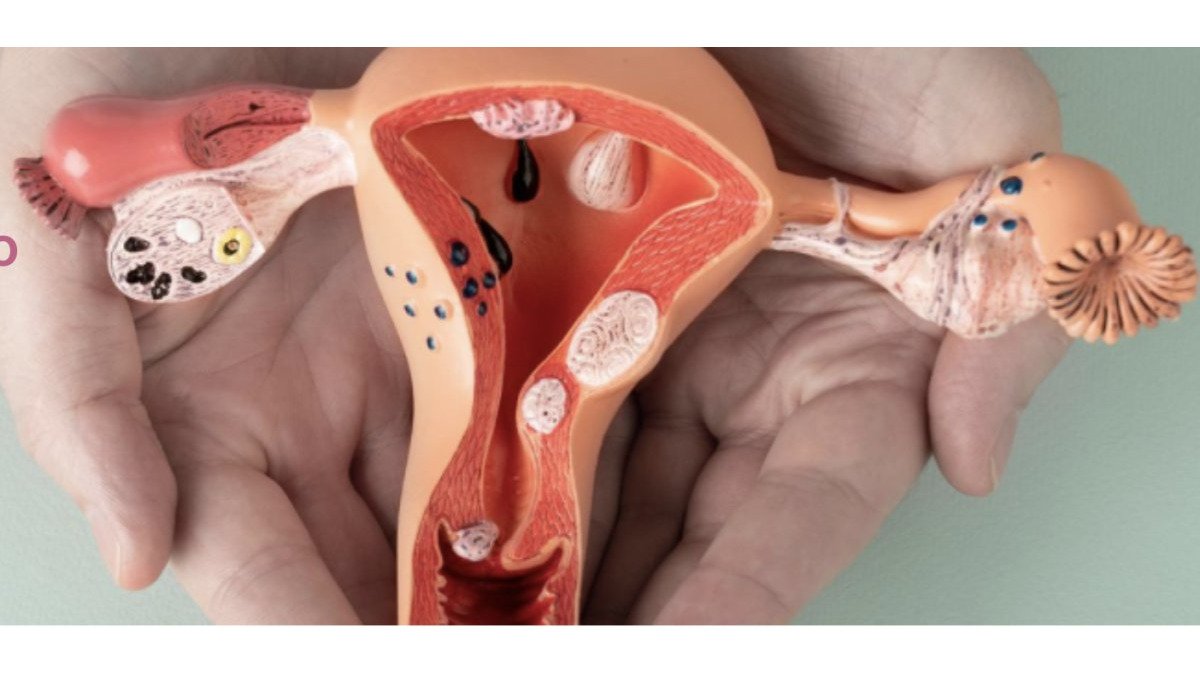
- Endometriosis, where tissue similar to the womb lining grows outside the uterus
- Fibroids, non-cancerous growths in or around the womb
- Ovarian cysts, fluid-filled sacs on or inside an ovary
- Adenomyosis, where the womb lining grows into the muscle wall
- Suspected gynaecological cancers requiring diagnosis or staging
Each condition behaves differently, and the surgical plan should reflect that. A fibroid removed from the womb wall is a very different operation from deep endometriosis excised from the bowel or bladder.
How Keyhole Surgery Differs From Open Surgery
The difference comes down to access. Open surgery uses a single larger incision, which gives the surgeon a direct view but involves more tissue trauma. Keyhole surgery uses several small ports, typically under a centimetre each.
| Feature | Keyhole Surgery | Open Surgery |
|---|---|---|
| Incisions | Several small ports | One larger cut |
| Typical hospital stay | Often shorter | Often longer |
| Scarring | Minimal | More visible |
| Recovery | Generally faster | Generally slower |
| Best for | Most gynaecological procedures | Very large masses, some cancers |
The trade-off is technical demand. Keyhole surgery requires advanced training and the right equipment. Not every surgeon offers it for complex cases, which is why the choice of operator matters as much as the choice of technique.
Comparing Private Gynaecologists in London for Laparoscopic Surgery
Choosing a private gynaecologist in London for advanced laparoscopic surgery comes down to three things: surgical volume in complex cases, subspecialty training, and how quickly you can be seen. A general gynaecologist may be perfectly capable for straightforward procedures, but complex endometriosis or suspected cancer needs a different level of expertise.

Private hospitals across the capital offer consultant-led care, and many run one-stop clinics combining consultation, scan and biopsy in a single visit. The Care Quality Commission guidance on choosing a provider is a sensible starting point for checking how a service is regulated.
What separates the strongest options is not the building. It is the person holding the instruments.
What to Look For in a Laparoscopic Surgeon
Use this checklist when you compare surgeons. It applies whether you are paying privately or through insurance.
- Subspecialty training in advanced laparoscopic surgery, not just general gynaecology
- A stated case volume in complex endometriosis or cancer work
- Membership of relevant societies, such as the British Society for Gynaecological Endoscopy
- A clear plan for how your diagnosis will be confirmed before surgery
- Honest discussion of risks, conversion to open surgery, and recurrence
- Realistic recovery timelines in writing
A common mistake is choosing on waiting time alone. Speed matters, but a fast appointment with the wrong surgeon costs more in the long run.
Endometriosis Specialist Care and Excisional Treatment
Excision is the gold standard for endometriosis surgery. Rather than burning the surface of the tissue, excision cuts it out at the root. This matters because endometriosis often extends deeper than it appears.
Women who have had ablation and seen pain return within months often ask what will be different. Complete excision by an experienced specialist gives the best chance of lasting relief. It is not a guarantee, and anyone who offers one should be treated with caution.
Mr Javaid Muglu specialises in excisional treatment of endometriosis, which means the disease is removed rather than merely treated at the surface. We also work with patients who have been dismissed elsewhere. If you have been told your pain is normal, that is not a diagnosis.
Laparoscopic Surgery Recovery Time: What to Expect Week by Week
Laparoscopic surgery recovery time is usually shorter than open surgery, but it is not instant. Most women leave hospital within a day or two and return to desk work within two to three weeks. Physical strain takes longer.
| Week | Typical Experience |
|---|---|
| Week 1 | Rest, wind pain, light walking only |
| Week 2 | Energy returning, driving may resume |
| Week 3-4 | Desk work often possible |
| Week 4-6 | Gradual return to exercise |
| Week 6+ | Full activity for most patients |
Shoulder tip pain is common in the first days. It comes from the gas used to inflate the abdomen, not from your shoulder. It settles on its own.
What most guides miss is how much the operation itself affects recovery. A short diagnostic procedure is a very different recovery from six hours of deep endometriosis excision. Ask your surgeon for a timeline based on your specific surgery, not a generic leaflet.

Gynaecological Surgery Costs and Insurance in Private Care
Gynaecological surgery costs in private care depend on the procedure, the hospital and whether you are paying yourself or claiming through insurance. There is no single figure.
Self-funding patients should ask for a full written quote covering surgeon fees, anaesthetist fees, hospital charges and any follow-up. Insurers usually require a referral and pre-authorisation before treatment, so start that process early.
Pricing depends on the complexity of the surgery and the hospital you choose. Contact us directly for a clear quote before you commit to anything.
The NHS guidance on going private explains how private care works alongside the health service, which is useful if you are weighing up both routes.
Choosing the Best Private Gynaecologist in London for Your Needs
The best private gynaecologist in London for advanced laparoscopic surgery is the one whose subspecialty matches your condition and who can see you quickly. That is a specific combination, and it narrows the field fast.
Mr Javaid Muglu brings more than 20 years of experience in gynaecology and advanced laparoscopic surgery, and leads Gynaecological Oncology Services as Chair of the Southeast London Cancer Alliance. Our one-stop clinics combine consultation and scan in a single appointment, which matters when you are anxious and waiting is the hardest part.
Conclusion: Making a Confident Decision About Your Surgery
The hardest part of this process is usually not the surgery. It is the uncertainty before it.
Mr Javaid Muglu offers rapid diagnostic assessment through one-stop clinics, specialist excisional treatment for endometriosis, and personalised surgical plans for gynaecological cancers, backed by more than two decades of advanced laparoscopic experience. If you have been dismissed or left waiting, we can help you move forward with clear answers and a plan you understand.
Book a consultation with Mr Javaid Muglu and take the first step towards a diagnosis and treatment plan built around you.
Frequently Asked Questions
How do I choose a private gynaecologist in London for advanced laparoscopic surgery?
Look for a consultant who performs advanced laparoscopic surgery regularly, holds membership of the British Society for Gynaecological Endoscopy (BSGE), and can show you their outcomes for complex cases such as endometriosis or fibroids. Check whether they offer a One Stop clinic so you get consultation, scan and a clear plan in a single visit. Ask how many procedures they perform each year and whether they work within a recognised cancer alliance, which indicates oversight of complex care.
How long does it take to recover from gynaecological keyhole surgery?
Most women return to desk-based work within two to three weeks after gynaecological keyhole surgery, while strenuous exercise and heavy lifting usually wait until around six weeks. Recovery depends on the procedure: a diagnostic laparoscopy is quicker than excisional endometriosis surgery or a laparoscopic hysterectomy. Your surgeon will give you a personalised timeline, and following their advice on wound care, movement and pain relief helps you heal without setbacks.
Is laparoscopic surgery suitable for endometriosis?
Yes. Laparoscopy is the gold standard for diagnosing and treating endometriosis in the UK. An endometriosis specialist can remove deposits and adhesions through small incisions, which often reduces pain and improves quality of life. Excisional surgery, where the disease is cut out rather than burned away, is preferred for deep endometriosis. If you have had surgery before and pain returned, ask whether the previous operation removed all visible disease.
How much does private laparoscopic gynaecological surgery cost?
Gynaecological surgery costs vary widely depending on the procedure, the hospital and your surgeon. In private care, you typically pay a surgeon fee, anaesthetist fee and hospital fee, which may be covered by health insurance if your policy includes gynaecology. Always request a written quote that lists all components.
What qualifications should a laparoscopic gynaecological surgeon have?
A qualified surgeon should be on the GMC Specialist Register and hold membership of the Royal College of Obstetricians and Gynaecologists (RCOG). For advanced laparoscopic work, look for additional membership of the British Society for Gynaecological Endoscopy (BSGE) and evidence of ongoing training in minimally invasive techniques. If cancer is suspected, check that they are part of a cancer alliance or multidisciplinary team, which ensures your care meets national standards.