 ultimate-guide
Private Uterine Fibroid Treatment Cost: A 2026 Guide
Table of Contents
- Understanding Uterine Fibroids and Treatment Options
- What Influences Private Fibroid Treatment Cost
- Private Gynaecology Consultation Fees and Initial Assessment
- Laparoscopic Fibroid Removal Recovery Time and What to Expect
- Fibroid Surgery Insurance Coverage and Funding Options
- Why Choose Specialist Care for Fibroid Treatment
- Next Steps: Getting Your Consultation
- Frequently Asked Questions
Last Updated: 21 September 2026
Understanding Uterine Fibroids and Treatment Options
Uterine fibroids are non-cancerous growths that develop in or around the womb (the NHS). They range from microscopic to several centimetres in size, and many women experience no symptoms at all. However, when fibroids do cause problems, heavy menstrual bleeding, pelvic pain, pressure on the bladder, they significantly affect quality of life and often warrant treatment.
The good news is that fibroid treatment cost in the private sector has become more transparent and accessible than ever. Private gynaecological care offers faster diagnosis, specialist expertise, and minimally invasive surgical options that the NHS often cannot provide within reasonable timeframes. Understanding your treatment options and what influences private uterine fibroid treatment cost UK is essential before making decisions about your care.
Several treatment pathways exist for fibroids. Conservative management involves monitoring through ultrasound scans without intervention. Medical treatments, hormonal therapies and medications, can reduce bleeding and fibroid size. Surgical interventions range from fibroid removal (myomectomy) through laparoscopic or open approaches, to hysterectomy when preservation of the womb isn't a priority. Each option carries different costs, recovery times, and outcomes.
What Influences Private Fibroid Treatment Cost
Several factors determine the final fibroid treatment cost you'll encounter in private practice. Understanding these variables helps you anticipate expenses and compare quotes across different clinics.
Fibroid characteristics form the foundation of cost. Size, number, and location within the womb all affect surgical complexity. A single small fibroid accessible via laparoscopy costs considerably less than multiple large fibroids requiring open surgery or extended operative time. Some fibroids embed deep within the uterine wall (intramural fibroids), requiring more technical expertise and longer procedures.
Surgical approach is the primary cost driver. Laparoscopic fibroid removal, minimally invasive keyhole surgery, typically costs less than open abdominal surgery because it involves smaller incisions, shorter operative time, and faster recovery. However, not all fibroids are suitable for laparoscopic approach; those requiring extensive dissection or located in difficult positions may necessitate open surgery, which increases costs due to longer anaesthesia time and extended hospital stay.
Clinic setting and consultant expertise influence pricing significantly. Private hospitals in major cities charge more than those in smaller centres. Mr Javaid Muglu's expertise in advanced laparoscopic techniques and his role as Lead for Gynaecological Oncology Services means consultations and surgical procedures reflect specialist-level experience.
Diagnostic imaging and pre-operative assessment add to overall costs. MRI scans provide detailed mapping of fibroid location and uterine anatomy, essential for surgical planning. Ultrasound scans may not provide sufficient detail for complex cases. Blood tests, anaesthetic assessment, and pre-operative consultations all contribute to the total.
Private Gynaecology Consultation Fees and Initial Assessment
Your journey toward treatment begins with a specialist consultation. This initial appointment establishes your diagnosis, discusses your symptoms and priorities, and outlines suitable treatment options tailored to your specific situation.
Private gynaecology consultation fees typically range based on the consultant's experience level and the clinic's location. A comprehensive initial consultation with a gynaecologist usually involves detailed history-taking, physical examination, and often a transvaginal ultrasound scan performed during the appointment itself. This "one-stop" model, consultation plus diagnostic imaging in a single visit, saves time and provides immediate clarity on fibroid size, number, and location.
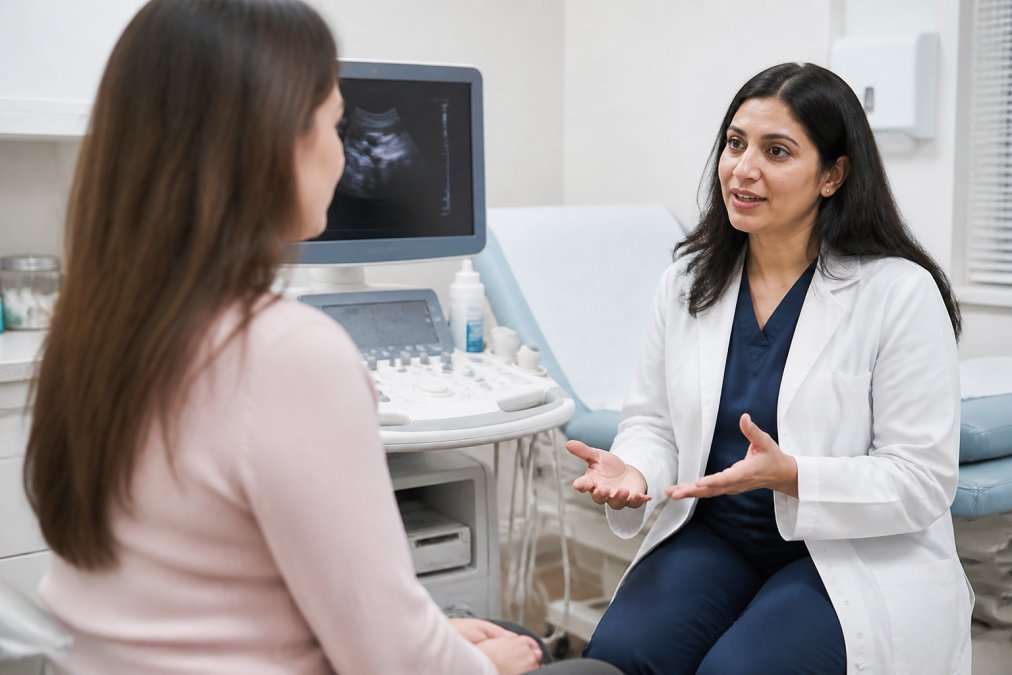
Many private consultants offer "one-stop" clinics specifically designed for women with suspected or known gynaecological problems. This model combines the consultation, ultrasound scan, and sometimes biopsy in a single appointment, reducing the need for multiple visits and providing answers quickly. Mr Javaid Muglu's practice emphasises this efficient diagnostic approach, recognising that women often experience anxiety whilst waiting for answers about potential serious conditions.
The consultation fee typically covers the consultant's time, initial assessment, and basic ultrasound imaging. If additional imaging, such as MRI, is required, this is usually quoted separately. Some consultants include a follow-up consultation in their initial fee package; others charge separately for subsequent appointments.
Laparoscopic Fibroid Removal Recovery Time and What to Expect
Laparoscopic fibroid removal, also called laparoscopic myomectomy, is a minimally invasive surgical procedure where the surgeon accesses the fibroid through small incisions in the abdomen, typically using a camera (laparoscope) to visualise the operative field. This approach offers significant advantages over open surgery in terms of recovery and tissue trauma.
Laparoscopic fibroid removal recovery time is considerably shorter than open surgery. Most women return to light activities within 1-2 weeks and resume normal exercise within 4-6 weeks. Discomfort is usually mild, managed with simple analgesia, and most women describe feeling substantially better within the first week post-operatively. The small incisions, typically 5-10mm each, mean minimal scarring and lower infection risk compared to open approaches.
However, recovery varies based on fibroid complexity and the extent of dissection required. A straightforward removal of a single accessible fibroid may permit return to normal activities within 3-4 weeks. More complex cases involving multiple fibroids or difficult removal may extend recovery to 6-8 weeks. Your surgeon will provide specific guidance based on what they find during the operation.
Post-operative restrictions typically include avoiding heavy lifting (more than 5kg) for 4-6 weeks, avoiding sexual intercourse for 2-3 weeks, and avoiding strenuous exercise for 4-6 weeks. Light walking is encouraged from day 3 onwards to prevent blood clots and promote healing. Most women can return to desk-based work within 2-3 weeks, though this depends on pain levels and individual healing.
Fibroid Surgery Insurance Coverage and Funding Options
Understanding insurance coverage for fibroid surgery is crucial when budgeting for private treatment. Insurance policies vary considerably in their coverage of gynaecological procedures, and fibroid treatment falls into a complex category where coverage depends on your specific policy, the insurer, and whether your fibroids are classified as medically necessary or elective.
Many private health insurance policies in the UK cover fibroid treatment when symptoms are documented and conservative management has been attempted or proven ineffective. However, coverage limits, waiting periods, and exclusions differ between insurers. Some policies impose annual limits on surgical procedures; others require pre-authorisation before treatment proceeds. Contact your insurer directly with your specific diagnosis and proposed treatment plan to understand your coverage.
If you lack private health insurance, several funding options exist. Some private consultants and hospitals offer payment plans that spread costs over 12-24 months, interest-free. Medical finance companies specialise in healthcare lending and can provide loans specifically for private surgical procedures. The NHS may fund private treatment in certain circumstances, for example, if waiting times exceed reasonable limits and your condition significantly impacts quality of life, though this requires discussion with your GP and NHS consultant.
Why Choose Specialist Care for Fibroid Treatment
Choosing a specialist gynaecologist experienced in advanced laparoscopic surgery significantly influences both outcomes and costs. Whilst a general gynaecologist can manage straightforward fibroid cases, complex fibroids, those embedded deeply in the uterine wall, multiple fibroids, or fibroids in difficult locations, require specialist expertise to ensure complete removal whilst preserving uterine function.
Mr Javaid Muglu's 20+ years of experience in gynaecology and advanced laparoscopic surgery, combined with his role as Lead for Gynaecological Oncology Services, reflects the depth of expertise that matters when managing complex fibroid cases. Specialists trained in advanced laparoscopic techniques can often remove fibroids laparoscopically that would require open surgery in less experienced hands. This translates directly to faster recovery, fewer complications, and better long-term outcomes.
Specialist care also means access to the latest surgical techniques and technologies. Advanced laparoscopic instrumentation, bipolar energy devices, tissue-removing systems, and high-definition imaging, allows surgeons to work more precisely and efficiently. Specialists maintain lower complication rates through experience and continuous training.
Women often report that specialist consultations provided clarity and reassurance that standard NHS or general private consultations did not.
Next Steps: Getting Your Consultation
Taking action begins with a specialist consultation where your fibroids can be properly assessed and a treatment plan tailored to your needs. The consultation process is straightforward: contact the clinic, describe your symptoms and concerns, and book an appointment at a time that suits you.
Frequently Asked Questions
What factors influence the cost of private fibroid treatment?
Several factors affect fibroid treatment cost: the size and number of fibroids, their location within the uterus, the surgical technique required (laparoscopic versus open myomectomy), consultant experience, facility fees, and anaesthesia costs. Additional imaging, pre-operative assessments, and post-operative follow-up also contribute to the total expense. Pricing depends on the complexity of your individual case, which is why a specialist consultation is essential for an accurate estimate.
Does private medical insurance cover fibroid removal surgery?
Many private medical insurance policies do cover fibroid removal, but coverage varies significantly between providers and policies. Some insurers cover laparoscopic procedures but not open surgery, whilst others require pre-authorisation or have specific conditions. Contact your insurer directly with details of the proposed procedure. Self-funded patients should discuss payment options and potential financing plans with the clinic during consultation.
How long is the recovery time after laparoscopic fibroid removal?
Laparoscopic fibroid removal typically offers faster recovery than open surgery. Most patients return to light activities within 1-2 weeks and resume normal activities within 3-4 weeks. Full recovery, including return to strenuous exercise, usually takes 6-8 weeks. Your specialist will provide personalised recovery guidance based on the complexity of your procedure and individual healing.
What's included in a private gynaecology consultation fee?
A private gynaecology consultation typically includes a detailed history, physical examination, and often imaging such as ultrasound. Many consultants offer 'one-stop' clinics combining consultation and diagnostic scanning in a single appointment, reducing the need for multiple visits. The fee structure varies by clinic and consultant expertise. Contact the clinic directly for current fees and what is included in your specific appointment.