 ultimate-guide
Does Perimenopause Cause Irregular Periods?
Table of Contents
- Does Perimenopause Cause Irregular Periods?
- How Hormonal Changes Trigger Irregular Bleeding
- When to See a Gynaecologist for Irregular Bleeding
- Heavy Periods During Perimenopause
- Perimenopause Symptoms Checklist
- Distinguishing Perimenopause From Other Conditions
- Treatment Options for Irregular Periods
- Frequently Asked Questions
Last Updated: September 30, 2026
Does Perimenopause Cause Irregular Periods?
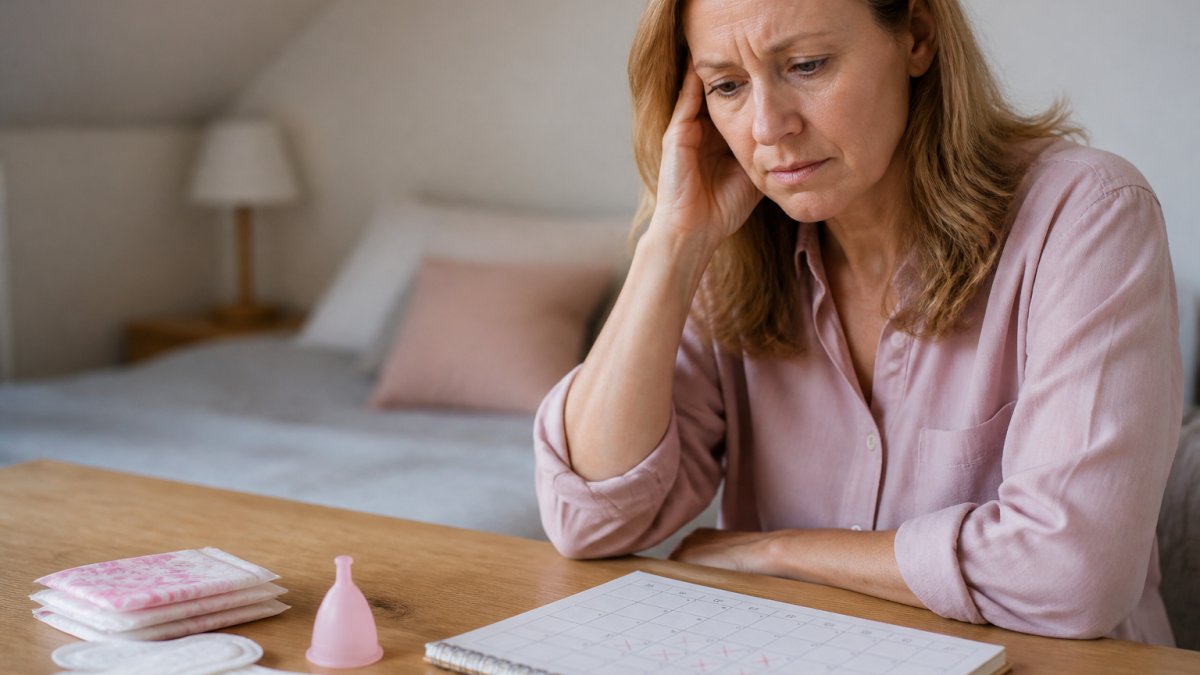
Yes, does perimenopause cause irregular periods? The answer is yes, and this is one of the hallmark signs that your body is transitioning toward menopause. This is one of the hallmark signs that your body is transitioning toward menopause. During this phase, which typically lasts between four and ten years, your ovaries gradually produce less oestrogen and progesterone, leading to unpredictable menstrual cycles.
The irregularity can manifest in many ways. Your period might arrive two weeks early one month and three weeks late the next. You might experience a month with no bleeding at all, followed by a heavier-than-normal flow. Some women skip periods for several months, then menstruate again. This unpredictability is frustrating and often alarming, but it's a normal part of the transition.
At Mr Javaid Muglu, we understand the anxiety this causes. Many women worry that irregular bleeding signals something more serious, endometriosis, fibroids, or even cancer. That's why understanding the difference between perimenopause-related irregularity and other gynaecological conditions is crucial. If you're experiencing changes to your cycle, knowing when to seek specialist evaluation can give you peace of mind and ensure any underlying issues are identified early.
How Hormonal Changes Trigger Irregular Bleeding
Irregular periods during perimenopause happen because your body's hormone production becomes erratic. In your reproductive years, your pituitary gland sends consistent signals to your ovaries, triggering regular ovulation and predictable hormone release. As you approach menopause, your ovaries become less responsive to these signals.
Some months, ovulation occurs on schedule. Other months, it doesn't happen at all. When ovulation is delayed or skipped, progesterone production drops, which disrupts the normal shedding of your uterine lining. This explains why your cycle becomes unpredictable, your body isn't following the same hormonal pattern month to month.
The fluctuating oestrogen levels also affect the thickness of your uterine lining. Higher oestrogen can cause the lining to build up more than usual, resulting in heavier bleeding when it finally sheds. Lower oestrogen might mean lighter periods. This variability is the defining characteristic of perimenopause-related irregular periods.
One thing to understand: irregular periods during perimenopause don't mean something is wrong with you. Your body is going through a natural biological transition. However, this doesn't mean you should ignore significant changes. Heavy bleeding, prolonged bleeding, or bleeding that interferes with your daily life warrants investigation, even if you're in perimenopause.
When to See a Gynaecologist for Irregular Bleeding
You should see a gynaecologist if your irregular periods come with concerning symptoms or patterns. The key is distinguishing between normal perimenopause variation and signs of an underlying condition.
Book an appointment if you experience bleeding that soaks through one or more pads or tampons every hour for several consecutive hours, bleeding that lasts longer than seven days, bleeding so heavy it affects your daily activities or causes anaemia, or bleeding between periods (not just variation in cycle length). You should also seek evaluation if you have severe cramping alongside irregular periods, or if your cycle changes dramatically in a short time span.
Additionally, if you're in perimenopause but your irregular periods started suddenly after years of regular cycles, or if you've had a period-free interval of several months followed by unexpected bleeding, professional assessment is wise. These patterns might indicate other gynaecological issues like fibroids, polyps, or endometrial hyperplasia.
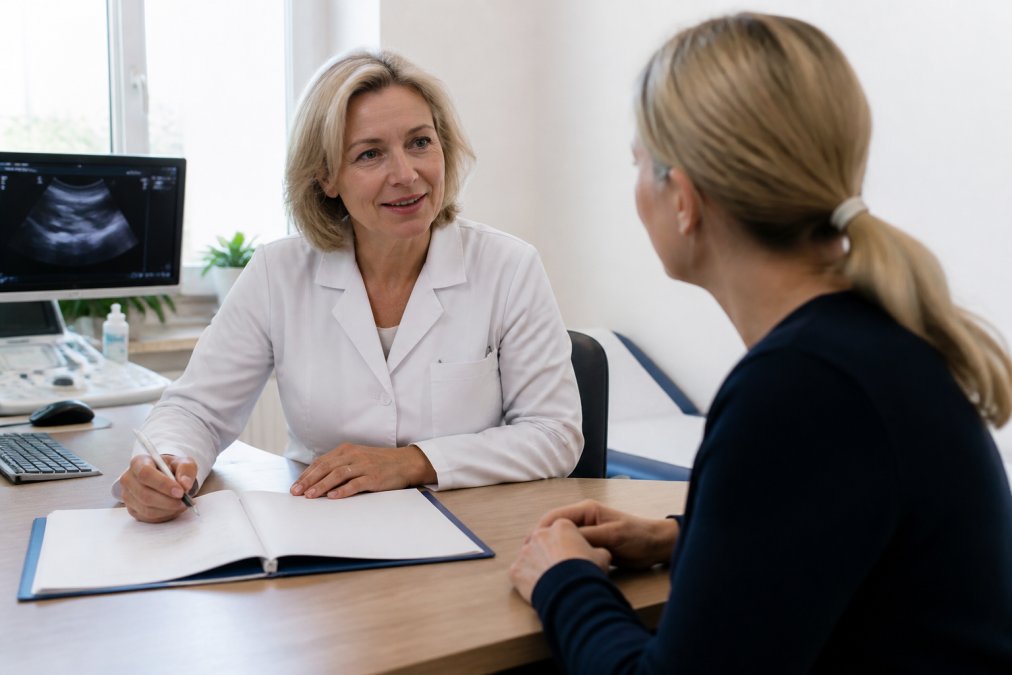
The earlier you get evaluated, the sooner you'll have answers. A specialist can perform imaging and, if needed, take tissue samples to rule out serious conditions. This is particularly important because some women attribute all bleeding changes to perimenopause when another condition is actually responsible. At Mr Javaid Muglu, our One Stop clinics combine consultation and scan in a single appointment, so you don't wait weeks for answers.
Heavy Periods During Perimenopause
Heavy periods are one of the most bothersome symptoms of perimenopause. The medical term is menorrhagia, and it affects many women during this transition. You might find yourself changing protection every hour, experiencing flooding, or needing double protection at night.
Why does this happen? During perimenopause, oestrogen levels fluctuate wildly. When oestrogen is high without adequate progesterone to balance it, your uterine lining thickens excessively. When this thick lining finally sheds, bleeding is heavier than normal. Additionally, the hormonal imbalance can affect your blood's clotting ability, making bleeding last longer and flow heavier.
Heavy periods during perimenopause can lead to iron deficiency anaemia if bleeding is severe or prolonged. Symptoms of anaemia include fatigue, shortness of breath, dizziness, and pale skin. If you're experiencing these alongside heavy menstrual bleeding, blood tests can confirm whether anaemia is developing.
Management options exist beyond simply waiting out the transition. Some women find relief with over-the-counter anti-inflammatory medications like ibuprofen, taken during their period. Others benefit from hormonal treatments such as the combined oral contraceptive pill or a progestogen-only pill, which can regulate bleeding. An intrauterine device releasing progestogen locally can also reduce menstrual flow significantly. A specialist can discuss which option suits your health profile and preferences.
Perimenopause Symptoms Checklist
Irregular periods rarely occur in isolation. Perimenopause brings a constellation of symptoms that vary widely between women. Understanding the full picture helps you recognise that what you're experiencing is part of a broader transition, not separate unrelated problems.
Common perimenopause symptoms include hot flushes (sudden waves of heat, often with sweating), night sweats that disrupt sleep, mood changes or irritability, difficulty concentrating or memory lapses, vaginal dryness, sleep disturbances, joint or muscle aches, and weight gain or changes in body composition. Some women experience brain fog so pronounced they struggle with work or daily tasks. Others notice their skin becomes drier or their hair thinner.
The symptom experience is highly individual. One woman might have severe hot flushes and minimal bleeding changes. Another might have dramatic cycle irregularity but few other symptoms. There's no "typical" perimenopause, only your perimenopause.
If you're experiencing several of these symptoms alongside irregular periods, you're almost certainly in perimenopause. That said, some symptoms overlap with other conditions. Persistent fatigue might indicate thyroid dysfunction rather than perimenopause. Mood changes might reflect depression or anxiety requiring separate treatment. A specialist evaluation can clarify what's driving your symptoms and what treatment makes sense.
Distinguishing Perimenopause From Other Conditions
The challenge with irregular periods is that they can signal multiple conditions. Perimenopause is common, but it's not the only explanation.
Thyroid disorders, particularly hypothyroidism, can cause irregular periods and mimic perimenopause symptoms like fatigue and mood changes (the NHS). Blood tests measuring thyroid function (TSH and free T4) can rule this out. Polycystic ovary syndrome (PCOS) causes irregular periods and affects women of reproductive age, though it can persist into perimenopause. Uterine fibroids, benign growths in the uterine muscle, often cause heavy, prolonged periods and sometimes irregular cycles. Endometrial polyps, small growths on the uterine lining, can trigger abnormal bleeding. Endometriosis, where tissue similar to the uterine lining grows outside the uterus, causes heavy periods and severe cramping. Uterine hyperplasia, a thickening of the uterine lining, can develop during perimenopause due to unopposed oestrogen and requires treatment to prevent progression.
The distinction matters because treatment differs. Perimenopause-related irregular periods might resolve with reassurance and symptom management. Fibroids might require surgical intervention. Thyroid dysfunction needs hormone replacement. Hyperplasia needs progestin therapy or sometimes surgery.
This is why imaging and sometimes biopsy are important. Transvaginal ultrasound can visualise fibroids, polyps, and measure endometrial thickness. If the lining is abnormally thick, a biopsy rules out precancerous changes. These investigations take time in the NHS system, but at Mr Javaid Muglu, our One Stop clinics perform both scan and biopsy assessment in a single appointment, giving you definitive answers without prolonged uncertainty.
Treatment Options for Irregular Periods
Several evidence-based approaches can manage irregular periods during perimenopause, depending on symptom severity and your preferences.
Watchful waiting is appropriate for mild irregularity without heavy bleeding or concerning symptoms. Many women simply track their cycles and accept the unpredictability as part of the transition. This requires no medication and often feels like the most natural approach.
Hormonal contraceptives, the combined oral contraceptive pill, progestogen-only pills, or hormonal intrauterine devices, can regulate bleeding and reduce flow. These work by preventing ovulation or suppressing endometrial growth, creating more predictable cycles. They also help with other perimenopause symptoms like hot flushes and mood changes. The choice between options depends on your medical history, whether you want contraception, and side effect tolerance.
Hormone replacement therapy (HRT) using oestrogen and progestogen can manage perimenopause symptoms broadly, including irregular periods. HRT addresses the underlying hormonal imbalance rather than simply suppressing symptoms. It's particularly helpful if you have multiple bothersome symptoms alongside cycle irregularity.
Non-hormonal medications exist. Tranexamic acid, taken during menstruation, reduces bleeding by enhancing clotting. Mefenamic acid (an anti-inflammatory) decreases flow and can ease cramping. These work best for moderate bleeding rather than severe menorrhagia.
Surgical options are reserved for specific conditions.
Frequently Asked Questions
How long do irregular periods last during perimenopause?
Irregular periods during perimenopause can last anywhere from several months to 10 years, though the average is 4-10 years. Cycles may become unpredictable, skipping months, arriving closer together, or changing in flow. Each woman's experience differs based on her individual hormone fluctuations. If irregular bleeding persists beyond what feels normal for you, or if patterns change suddenly, speak with a gynaecologist to rule out other causes.
When should I be concerned about bleeding during perimenopause?
Seek medical advice if you experience bleeding that soaks through one or more pads or tampons every hour for several hours, bleeding lasting longer than seven days, or bleeding accompanied by severe pain, dizziness, or fatigue. Also contact your gynaecologist if you have bleeding after 12 consecutive months without a period, as this may indicate postmenopause bleeding requiring investigation. Sudden changes in your usual pattern warrant professional assessment.
Can perimenopause cause very heavy periods?
Yes, perimenopause commonly causes heavier periods. Fluctuating oestrogen and progesterone levels can thicken the uterine lining, leading to increased bleeding. Some women experience flooding or prolonged bleeding. Whilst heavy periods during perimenopause are often hormonal, they can also signal fibroids, polyps, or other treatable conditions. A gynaecologist can identify the cause through ultrasound and advise on management options, from lifestyle adjustments to medical or surgical treatments.
How do I know if my irregular periods are due to menopause or another condition?
Perimenopause typically causes gradual changes in cycle length and flow over months or years, often alongside hot flushes, night sweats, or mood changes. Other conditions, such as thyroid disorders, polycystic ovary syndrome, fibroids, or endometrial polyps, may cause sudden or severe irregularities. A gynaecologist can perform blood tests to check hormone levels and thyroid function, along with ultrasound imaging, to distinguish perimenopause from other causes and rule out conditions requiring specific treatment.