 How-to
Uterine Fibroid Embolisation Recovery: What to Expect Day by Day
Quick Summary
Fibroid embolisation recovery usually involves a few hours in hospital, then several days of cramping similar to period pain, with tiredness easing over one to two weeks. Most people need time off work, and desk-based roles often allow an earlier return than physical jobs. Pain relief taken regularly and rest help manage the first few days.
- Most people stay in hospital for a few hours to a day after the procedure
- Cramping is common in the first days and is often like period pain
- Avoid lifting anything heavier than a kettle and do not drive early on
- Energy usually returns over one to two weeks, though it may come in waves
- Contact your team urgently for heavy bleeding, high fever or leg swelling
Table of Contents
- How the Uterine Fibroid Embolisation Recovery Process Works
- What Happens in the First 24 Hours After Treatment
- Uterine Fibroid Embolisation Recovery Timeline, Day by Day
- Managing Pain After Uterine Fibroid Embolisation at Home
- Normal Symptoms and Uterine Fibroid Embolisation Side Effects
- Returning to Work After Uterine Fibroid Embolisation
- Booking Your Follow-Up and Knowing When to Get Help
- Frequently Asked Questions
How the Uterine Fibroid Embolisation Recovery Process Works
Uterine fibroid embolisation (UFE) is a minimally invasive treatment that blocks the blood supply to fibroids, causing them to shrink over time (Fibroid embolisation - Overview). Recovery is usually shorter than after surgery, but it still takes planning. Knowing what to expect helps you feel more in control.
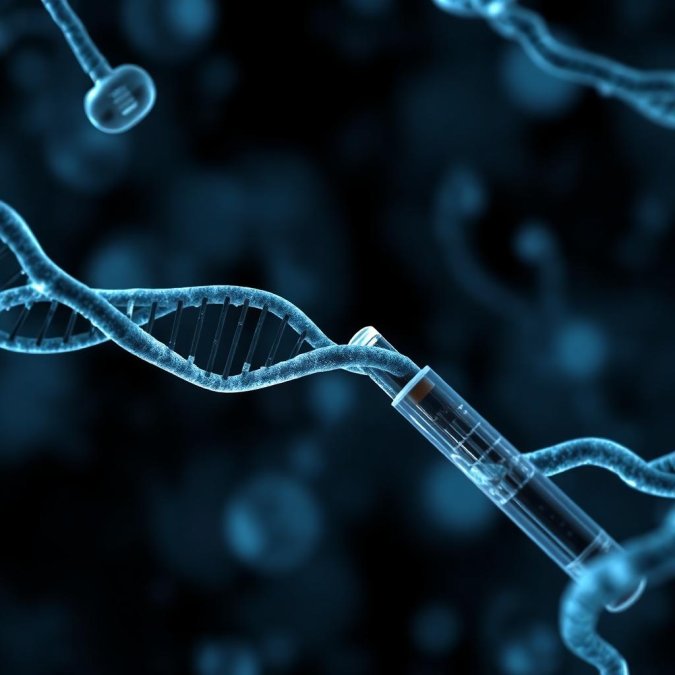
During the procedure, a radiologist makes a small cut in the groin or wrist and guides a thin tube, called a catheter, to the arteries supplying the uterus. Tiny particles are then released to block those vessels. Because the fibroids lose their blood supply, they gradually shrink, and most of the recovery is spent managing the body's response to this change.
Recovery is not the same for everyone. Your treating team will give you personal instructions, and those instructions always come first. For more on how this procedure compares with surgery, see how embolisation differs from myomectomy. If you are still weighing up options, non-surgical alternatives to fibroid surgery can help you understand the full range of choices.
Many women feel tired and crampy for the first few days. A common approach is to plan rest, keep pain relief on hand and arrange practical support at home. Most people find recovery feels more manageable when they know which symptoms are normal and which need prompt medical attention. Information on uterine fibroids is available from the NHS website, which explains the condition in more detail (the NHS).
What Happens in the First 24 Hours After Treatment
Most people stay in hospital for a few hours to a day after the procedure. You may be asked to lie flat for a short time to reduce the risk of bleeding from the access point.
Pain and cramping are common in the first day. Nausea and a raised temperature can also occur, and both are usually short-lived. Tell the nurses if your pain feels very different from what you expected.
- Lie still when asked to protect the puncture site
- Report bleeding, swelling or numbness in the leg or groin
- Drink fluids as advised to help you feel more comfortable
- Ask for pain relief before discomfort becomes severe
Uterine Fibroid Embolisation Recovery Timeline, Day by Day
Recovery usually follows a broad pattern, though your own timeline may differ. Your treating team's instructions always take priority.
- Day of the procedure: You will spend several hours in hospital for monitoring. The nursing team checks your blood pressure, pulse and the puncture site. You may be asked to lie flat for a short time to reduce bleeding risk. Cramping often begins within a few hours, and pain relief is given through a drip or tablets. Many women feel sleepy and nauseated. Arrange for someone to drive you home, as you should not drive yourself.
- Day 1 to 2: Rest at home. Expect cramping similar to period pain, tiredness and possibly nausea. Take pain relief regularly rather than waiting for discomfort to become severe. Keep fluids up and eat light meals if your appetite is reduced. A warm (not hot) water bottle on your lower abdomen can ease cramping.
- Day 3 to 5: Short walks around the house and garden help circulation and reduce the risk of constipation. Pain usually eases with regular pain relief, though it may flare after activity. Fatigue may still come and go. Avoid lifting anything heavier than a kettle and do not drive until you feel fully alert and can perform an emergency stop comfortably.
- Day 6 to 10: Most people start light household tasks such as preparing simple meals or folding laundry. Fatigue may still come and go, so build in rest periods. Vaginal discharge, sometimes brownish, is common and usually settles. If you feel ready, a short, gentle walk outdoors is fine, but avoid strenuous exercise.
- Week 2 onwards: Energy slowly improves. Check with your team before lifting, exercising hard, swimming or having sex. Many women return to desk-based work around this point, sometimes with a phased start. Physical work may need longer. Follow-up appointments usually take place within a few weeks to review symptoms and check progress.
Keep a simple diary of your pain, temperature and energy each day. This makes it easier to spot changes and to explain them at your follow-up appointment. A common pattern is for energy to return in waves rather than in a straight line, so do not be alarmed by a tired day after a good one.
Watch out: if your pain suddenly worsens, you develop a high temperature, or you feel faint or short of breath, contact your healthcare team urgently rather than waiting for your scheduled follow-up.
The table below sets out the broad recovery pattern, day by day, so you can see at a glance what to expect and when.
| Stage | What to do | Typical timing |
|---|---|---|
| Day of procedure | Rest, take pain relief, arrange a lift home | Several hours in hospital |
| Day 1 to 2 | Rest at home, take pain relief regularly | Cramping similar to period pain |
| Day 3 to 5 | Short walks, avoid heavy lifting and driving | Pain eases with regular relief |
| Day 6 to 10 | Light household tasks, gentle walks | Fatigue may come and go |
| Week 2 onwards | Check before exercise, swimming or sex | Energy slowly improves |
Managing Pain After Uterine Fibroid Embolisation at Home
Pain is the most common concern after UFE. Cramping in the lower abdomen often feels like period pain and usually settles over several days. Your team will prescribe pain relief, and taking it regularly, as directed, is often more effective than waiting until pain is severe.
A few practical steps can help at home:
- Use a warm (not hot) water bottle on your lower abdomen
- Take pain relief on time, following the dose on the packet or your prescription
- Rest between activities rather than pushing through
- Wear loose, comfortable clothing
Some women experience flu-like symptoms, including mild fever and aches. These can be part of the body's natural response. Contact your team if your temperature is high or the symptoms worsen rather than improve.
Normal Symptoms and Uterine Fibroid Embolisation Side Effects
Many symptoms after UFE are expected. These include cramping, tiredness, nausea, mild fever and a small amount of vaginal discharge, sometimes with a brownish colour. Post-embolisation syndrome, a group of flu-like symptoms including mild fever, aches and fatigue, is also common and usually passes within a few days. Knowing which symptoms are part of normal recovery and which need prompt medical attention helps you act safely. To understand the fibroid symptoms this treatment is meant to address, read how to identify the symptoms of uterine fibroids.
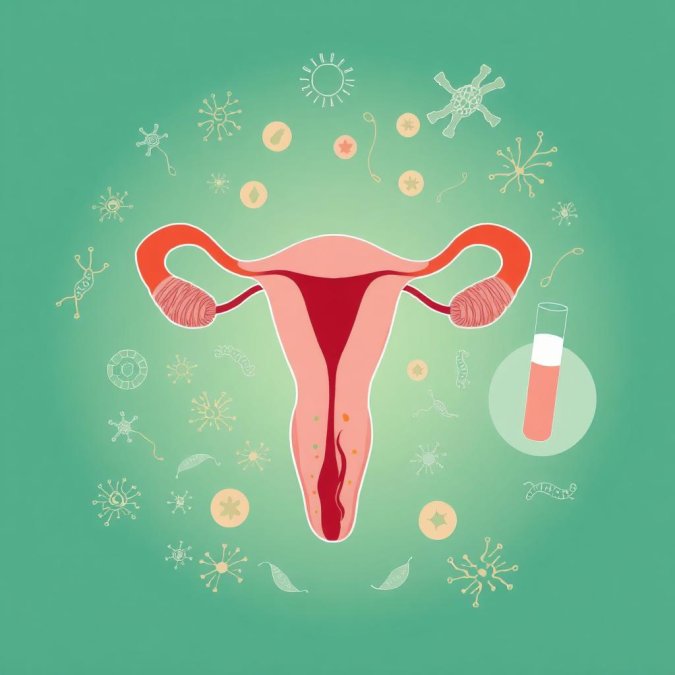
Expected symptoms that usually settle with rest and prescribed pain relief:
- Cramping in the lower abdomen, often like period pain, easing over several days
- Tiredness and a gradual return of energy over one to two weeks
- Nausea, especially in the first 24 to 48 hours
- A mild fever (a low-grade temperature) as part of post-embolisation syndrome
- Small amounts of vaginal discharge, sometimes brownish
- A small amount of bruising or tenderness at the catheter entry site in the groin or wrist
Symptoms that need prompt medical attention, contact your healthcare team urgently or seek urgent care:
- Heavy bleeding or large clots
- A high fever that does not settle, or a fever with shaking chills
- Severe pain that is not eased by prescribed medicine
- Swelling, pain, redness or colour change in the leg or groin, which could suggest a clot
- Foul-smelling discharge or signs of infection at the puncture site
- Feeling faint, short of breath or chest pain
If you are unsure, it is always better to call. Your team would rather hear from you early than after a problem has developed. Keep the contact number for your treating hospital or GP surgery to hand, and note that out-of-hours services can advise if you become unwell at night or at the weekend.
Watch out: a mild fever is common in the first few days, but a high temperature that persists or worsens, particularly with feeling generally very unwell, should be reported rather than managed at home with paracetamol alone.
Returning to Work After Uterine Fibroid Embolisation
Most people need time off work after UFE, and the length depends on the type of job and how you feel. Many women return within one to two weeks, while others need longer, especially if their work is physical. Desk-based roles often allow an earlier return, sometimes with a phased start.
Talk to your employer before you go back. A short conversation about reduced hours, breaks or a gradual return can make the transition much easier. Your GP or specialist can provide a fit note if you need one.
!A woman in her thirties sitting at a laptop at a bright home desk with a glass of water and a notepad, looking calm and relaxed
Booking Your Follow-Up and Knowing When to Get Help
Follow-up appointments are an important part of recovery. They allow your team to check your progress, review your symptoms and answer questions. Write down anything you want to discuss before the appointment so nothing is forgotten.
Get in touch with your team or seek urgent care if you have severe pain, heavy bleeding, fever, or any sign of infection. For guidance on what to expect, see how to manage your recovery timeline for fibroid embolisation. If you are considering your options or want to arrange a consultation, Fibroid Specialist can help you understand the next steps and plan your care with a qualified clinician. Mr Javaid Muglu specialises in advanced gynaecological care, offering personalised support from diagnosis through to recovery.
Frequently Asked Questions
How long does it take to recover from uterine fibroid embolisation?
Recovery pace varies, and fibroids shrink gradually over the weeks and months after treatment. Pelvic cramping and tiredness are common in the first few days and usually ease steadily. Your clinical team will give you a personal timeline based on your procedure and health, and that advice takes priority over any general estimate.
What symptoms are normal after uterine fibroid embolisation?
Pelvic pain and cramping, fatigue, nausea, low-grade fever and flu-like aches are common in the days after treatment and are part of post-embolisation syndrome. Some light vaginal discharge or spotting can also occur. These symptoms typically improve over several days. Contact your treating team promptly if you develop heavy bleeding, a high fever, worsening pain or any problem at the puncture site.
When can I return to work after uterine fibroid embolisation?
Return to work depends on your recovery pace and the type of job you do. Your recovery pace, pain levels and the type of work you do all matter. Build up your hours gradually and ask your clinician for a fit note if you need one for your employer.
When should I contact a doctor after uterine fibroid embolisation?
Seek urgent help if you have a high fever, pain that is not controlled by prescribed medication, heavy bleeding, swelling or bleeding at the puncture site, or leg pain, numbness or colour change. Contact NHS 111 or your treating team, and call 999 in an emergency.