 blog
How to Tell Perimenopause From Menopause Symptoms
Quick Summary
Perimenopause is the stage of years leading up to your final period, when periods still occur but become irregular. Menopause is reached once you have gone twelve consecutive months without a period. Perimenopause vs menopause is therefore largely a question of whether periods have stopped for a full year.
- Periods become irregular during perimenopause, arriving closer together, further apart, lighter or heavier.
- Hot flushes, night sweats, sleep disruption, mood changes and breast tenderness can appear during perimenopause.
- Vaginal dryness and urinary symptoms become more common after menopause because oestrogen stays low.
- Any bleeding after twelve months without a period should be checked by a doctor straight away.
- A calendar or symptom diary can help you spot the pattern of your symptoms.
Table of Contents
- Perimenopause and Menopause: What Each Stage Means
- Perimenopause Symptoms: Irregular Cycles and Changing Patterns
- Menopause Symptoms: What Changes After Periods Stop
- How Long Does Perimenopause Last and What Affects It
- Postmenopausal Bleeding: When Bleeding Is Not Normal
- Getting Specialist Assessment for Your Symptoms
- Frequently Asked Questions
Perimenopause and Menopause: What Each Stage Means
Perimenopause vs menopause is a useful distinction to understand. Perimenopause is the years leading up to your final period. Menopause is the point at which you have gone twelve months without a period (Menopause and HRT (Guidelines)). The menopause itself is a single day in hindsight, while perimenopause is a stretch of time that can last several years.
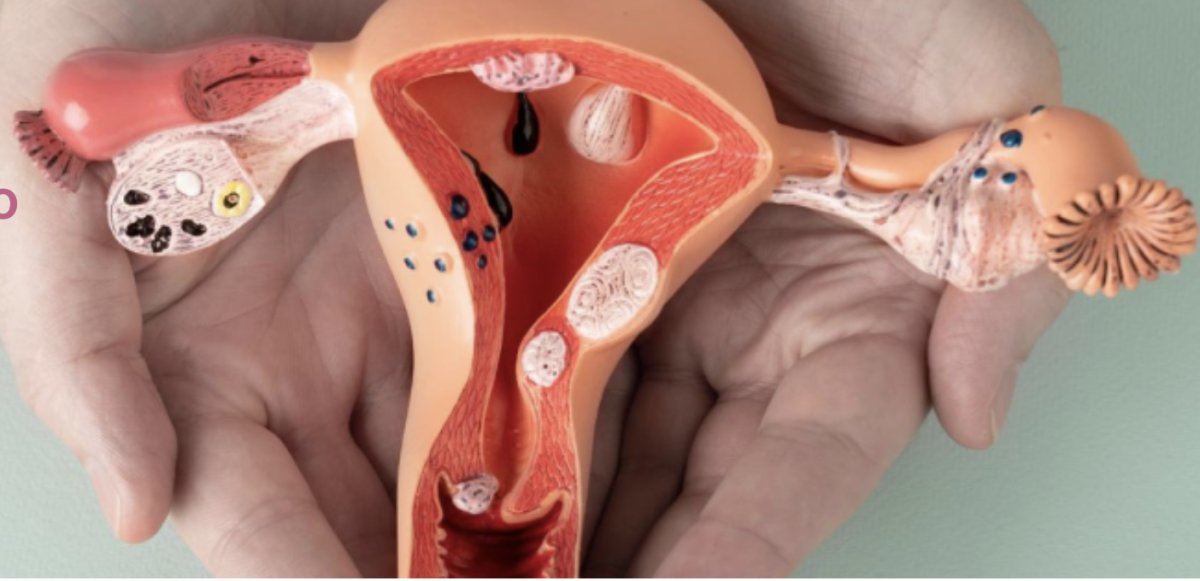
Hormone levels, mainly oestrogen and progesterone, rise and fall unevenly during perimenopause. Once periods stop, oestrogen settles at a lower level.
- Perimenopause: periods still occur, but they become irregular
- Menopause: twelve consecutive months without a period
- Postmenopause: every year after menopause
Perimenopause Symptoms: Irregular Cycles and Changing Patterns
When comparing perimenopause vs menopause, the most common sign of perimenopause is a change in your cycle. Periods may come closer together, further apart, lighter, or heavier. Many women notice that the pattern becomes hard to predict.
Hot flushes, night sweats, sleep disruption, mood changes, and breast tenderness can also appear during this stage. Because they come and go, many women put them down to stress at first. A calendar or symptom diary often helps show the pattern.
Notice when your cycle changes. Changes in your periods are a useful clue that you are in perimenopause.
Why Heavy Periods During Perimenopause Happen
Heavy bleeding can occur during perimenopause.
Heavy periods are not always caused by perimenopause alone. Fibroids, polyps, and other conditions can cause similar bleeding, so any sudden or very heavy bleeding should be checked. Where fibroids are the cause, a Fibroid Specialist can assess the options available to you.
The article sets out the main signs that distinguish perimenopause from later stages, which are summarised below.
| Symptom | Stage | Note |
|---|---|---|
| Irregular cycles | Perimenopause | Periods closer together, further apart, lighter or heavier |
| Hot flushes | Perimenopause | Come and go; often put down to stress at first |
| Night sweats | Perimenopause | Can disrupt sleep |
| Sleep disruption | Perimenopause | Often linked with night sweats |
| Mood changes | Perimenopause | Can appear during this stage |
| Breast tenderness | Perimenopause | Can appear during this stage |
| Vaginal dryness | Menopause | Becomes more common as oestrogen stays low |
| Urinary symptoms | Menopause | Becomes more common as oestrogen stays low |
Menopause Symptoms: What Changes After Periods Stop
Once you reach menopause, the hot flushes and sleep problems may still continue for a while. Vaginal dryness, discomfort during sex, and urinary symptoms become more common because oestrogen levels stay low.
Bone and heart health are also worth discussing with your GP.
How Long Does Perimenopause Last and What Affects It
Symptoms often peak in the later part of perimenopause, when cycles are most erratic. They usually ease once periods stop, although this varies widely from woman to woman.
Postmenopausal Bleeding: When Bleeding Is Not Normal
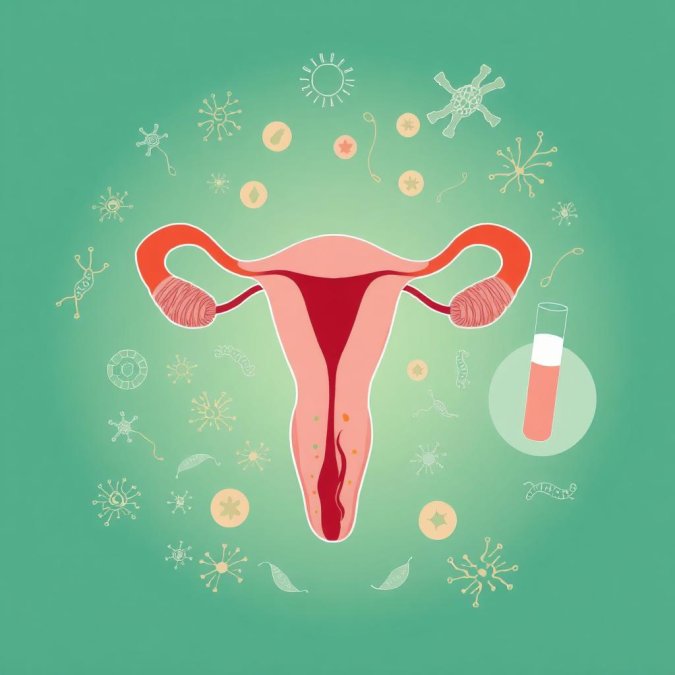
Any bleeding after menopause, meaning after twelve months without a period, should be checked by a doctor straight away. Postmenopausal bleeding is not a normal part of ageing, even when it is light or appears only once (the NHS).
Postmenopausal bleeding should be checked by a doctor.
- Bleeding after twelve months without a period
- Spotting after sex
- Bleeding that returns after a stop
Getting Specialist Assessment for Your Symptoms
If your symptoms are severe, affect your daily life, or do not respond to first-line advice, a specialist assessment can help. Our guide to when to see a specialist sets out the signs that suggest it is time to book. A gynaecologist with expertise in perimenopausal and postmenopausal care can review your history. Mr Javaid Muglu offers expertise in preventive gynaecological health for perimenopausal and postmenopausal women.
Mr Javaid Muglu offers expert gynaecological care for perimenopausal and postmenopausal women, including rapid, accurate diagnosis and personalised support.
Book a consultation to talk through your symptoms and what they mean for you.
Frequently Asked Questions
What is the difference between perimenopause and menopause?
Perimenopause is the transition period before menopause, when hormone levels, mainly oestrogen, begin to fluctuate and periods become irregular. Menopause is confirmed retrospectively, once you have gone twelve consecutive months without a period.
Do periods stop during perimenopause?
Not usually at first. During perimenopause, periods often become less predictable, with cycles that are shorter, longer, lighter or heavier than before. Some women also skip cycles entirely and then have a period again. Periods only stop permanently once menopause has been reached. Because heavy or prolonged bleeding can have causes other than hormonal change, any significant change in your bleeding pattern should be checked by a clinician rather than assumed to be perimenopause.
Is bleeding after menopause normal?
No. Any bleeding or spotting after menopause, meaning after twelve months without a period, should be assessed promptly by a GP, even if it is light or occurs only once. While it is often caused by benign conditions such as thinning of the womb lining, it can occasionally be a sign of a more serious problem, including endometrial cancer, which is why early investigation matters. Prompt assessment gives you the best chance of a clear answer and, if needed, timely treatment.