 how-to
Managing Menopause Symptoms After Hysterectomy
Table of Contents
- Understanding Surgical Menopause Symptoms After Hysterectomy
- How Long Does Surgical Menopause Last?
- Managing Hot Flushes After Hysterectomy
- HRT After Hysterectomy: What You Need to Know
- Non-Hormonal Ways to Manage Menopause Symptoms
- Lifestyle Changes That Support Symptom Control
- When to Seek Medical Advice About Menopause Symptoms
- Frequently Asked Questions
Last Updated: October 17, 2026
Understanding Surgical Menopause Symptoms After Hysterectomy
Surgical menopause happens when surgery removes the ovaries, causing an immediate drop in oestrogen rather than the gradual decline of natural menopause. Managing menopause symptoms after hysterectomy starts with understanding why they arrive so fast and so hard.
When the ovaries are removed, the body loses its main source of oestrogen overnight. In natural menopause, hormone levels fall slowly over years. After surgery, they fall in days. That speed is what makes symptoms feel intense.
Common symptoms include:
- Hot flushes and night sweats
- Mood swings and low mood
- Vaginal dryness and discomfort
- Poor sleep and fatigue
- Brain fog and low libido
The symptoms themselves are familiar. The timing and severity are not. Many women find the first few weeks after surgery are the toughest.
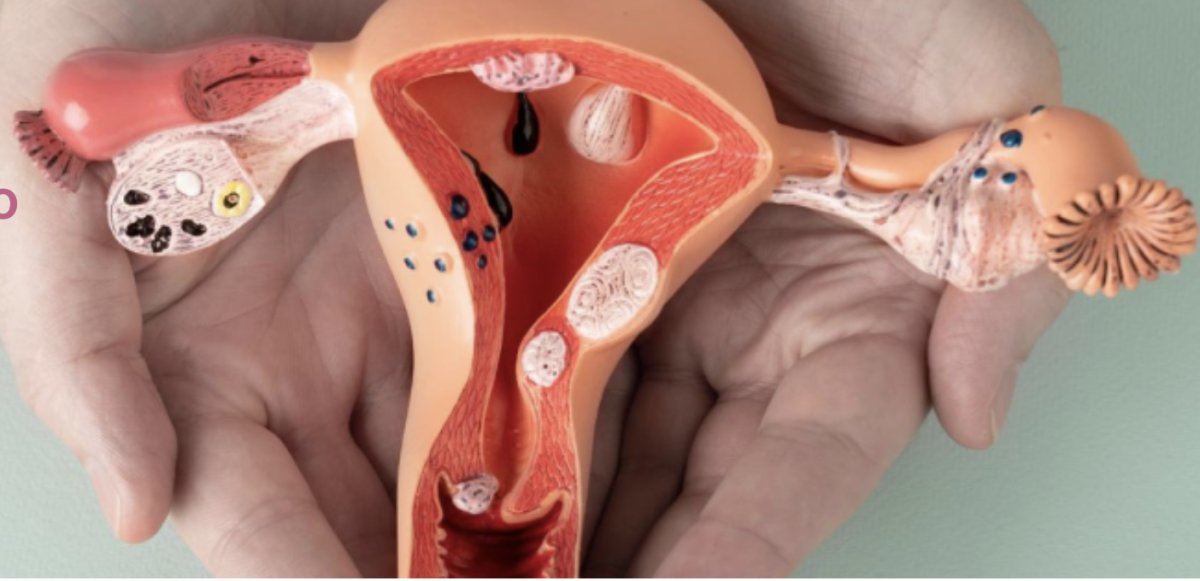
One key point: keeping the ovaries changes the picture. If your ovaries were left in place, you may not enter surgical menopause at all. Your ovaries can keep producing hormones after the uterus is removed. This is why the surgical plan matters so much, and why procedures such as a Laparoscopic Hysterectomy are planned with hormone function in mind.
How Long Does Surgical Menopause Last?
Surgical menopause is permanent when both ovaries are removed, but symptoms usually ease over time. Most women find the worst symptoms settle within the first year to eighteen months, though some continue longer.
The timeline varies. Factors that affect it include:
- Your age at surgery
- Whether you start hormone replacement therapy
- Your general health and lifestyle
- How suddenly hormone levels dropped
A common mistake is expecting symptoms to follow the same pattern as natural menopause. They don't. Natural menopause symptoms fade gradually as the body adjusts. Surgical menopause symptoms can hit harder and last longer without treatment.
Many women ask whether symptoms ever fully stop. For most, the intense phase passes. Some symptoms, such as vaginal dryness, can persist without treatment. This is where hormone replacement therapy often helps.
Managing Hot Flushes After Hysterectomy
Hot flushes after hysterectomy are often the first and most disruptive symptom women notice. They can strike without warning and leave you soaked in sweat, day or night.
A hot flush is a sudden surge of heat, usually across the face, neck and chest. It can last from a few seconds to several minutes. Night sweats are the same thing happening during sleep.
What helps:
- Hormone replacement therapy for many women, especially under 60
- Layered clothing you can remove quickly
- Cool rooms and breathable bedding at night
- Cutting back on caffeine, alcohol and spicy food
- Regular exercise, which some women find reduces frequency
Some women find that stress makes flushes worse. Managing stress through breathing exercises or gentle activity can take the edge off.
If flushes are wrecking your sleep and your days, that is a sign to seek advice. You do not have to push through.
HRT After Hysterectomy: What You Need to Know
HRT after hysterectomy is often simpler than HRT for women who still have a uterus. If your uterus has been removed, you can usually take oestrogen alone, without the progestogen needed to protect the womb lining.
That is a real advantage. Oestrogen-only HRT suits many women after a hysterectomy and can control symptoms well.
A few practical points:
- HRT is available as patches, gels, sprays, tablets and implants
- Patches and gels are often preferred for women over 60 or with certain risk factors
- Your dose can be adjusted over time
- HRT also helps protect bone health, which matters after surgical menopause
The British Menopause Society guidance on hormone replacement therapy sets out the current thinking on who benefits most. For most women under 60 who have had their ovaries removed, the balance of benefits tends to favour HRT.
HRT is not right for everyone. Women with a history of certain cancers or blood clots need careful assessment. That is a conversation to have with a specialist, not a decision to make alone.
Non-Hormonal Ways to Manage Menopause Symptoms
Not every woman can or wants to take HRT. Non-hormonal options can help, though they usually ease symptoms rather than stop them.
Options include:
- Prescribed non-hormonal medicines for flushes, such as certain antidepressants used at low dose
- Cognitive behavioural therapy (CBT), which helps with hot flushes and sleep
- Vaginal moisturisers and lubricants for dryness
- Cooling products for night sweats
- Relaxation techniques to reduce stress-triggered flushes
The NHS overview of menopause treatment options explains these choices in plain terms. It is a useful starting point before your appointment.
What most guides miss is that non-hormonal methods often work best as a package. One approach alone rarely does enough. Combining a prescribed medicine with CBT and lifestyle changes can give better results than any single fix.
Lifestyle Changes That Support Symptom Control
Lifestyle changes will not replace treatment, but they make symptoms easier to live with. Think of them as support, not a cure.
What tends to help:
- Weight-bearing exercise to protect bones and support mood
- Strength training two to three times a week
- A balanced diet with enough calcium and vitamin D
- Limiting alcohol and caffeine, both of which can trigger flushes
- Good sleep habits, with a cool, dark bedroom
- Staying socially connected, because isolation makes symptoms feel worse
Exercise deserves special mention. After surgical menopause, bone loss speeds up. Weight-bearing activity helps slow it. It also lifts mood and improves sleep.
A common mistake is doing too much too soon after surgery. Build activity back gradually. Your body needs time to recover from the operation itself before you push on fitness.
When to Seek Medical Advice About Menopause Symptoms
See a doctor if symptoms are affecting your sleep, mood, work or relationships. That threshold is lower than many women think.
Book an appointment if you notice:
- Hot flushes or night sweats that disrupt daily life
- Low mood, anxiety or thoughts that worry you
- Vaginal dryness or pain during sex
- Symptoms that are getting worse rather than settling
- Any new bleeding after hysterectomy
- Concerns about HRT and whether it is right for you
New bleeding after a hysterectomy should always be checked. It is usually nothing serious, but it needs assessment.
At Mr Javaid Muglu, we offer a one-stop clinic where consultation and scan happen in a single appointment. That means fewer trips and faster answers. For women who are anxious about symptoms or waiting for clarity, that matters.
If you are perimenopausal and unsure whether what you feel is normal, you are still welcome. Not every visit leads to surgery. Sometimes advice and a clear plan are all you need, and our Preventive Gynaecology service is built around exactly that kind of reassurance.
| Symptom | Try First | When to Seek Advice |
|---|---|---|
| Hot flushes | Layered clothing, cooler rooms | If sleep or daily life suffers |
| Night sweats | Breathable bedding | If you wake drenched most nights |
| Vaginal dryness | Moisturisers, lubricants | If sex becomes painful |
| Low mood | Exercise, social contact | If it lasts weeks or feels severe |
| New bleeding | Nothing | Always, without delay |
Frequently Asked Questions
Can you go through menopause after a hysterectomy?
Yes. If the ovaries are removed during a hysterectomy, menopause begins immediately because oestrogen production stops. This is called surgical menopause. If the ovaries are kept, menopause usually arrives naturally, on average around age 51, though it may come slightly earlier than it would have otherwise. Your surgeon will confirm which procedure you had, as this determines whether you will experience surgical menopause symptoms or a natural transition.
Do you need HRT after hysterectomy?
Not everyone needs HRT after hysterectomy. If your ovaries were removed, HRT after hysterectomy is often recommended, especially if you are under 50, because it protects bone and heart health as well as easing symptoms. If your ovaries remain, HRT is only needed if symptoms are troublesome. Your GP or gynaecologist will weigh your symptoms, age, and medical history before recommending a plan.
How long do menopause symptoms last after a hysterectomy?
How long surgical menopause lasts varies. With ovary removal, symptoms often begin within days and can be more intense than natural menopause. Many women notice improvement over two to five years, but some experience symptoms for longer. HRT, lifestyle measures, and non-hormonal treatments can shorten the period of severe symptoms. Review your progress with your clinician regularly rather than waiting for symptoms to settle on their own.
When should I speak to a doctor about menopause symptoms after a hysterectomy?
Book an appointment if symptoms disrupt sleep, work, or mood, or if hot flushes after hysterectomy are severe. Speak to your doctor promptly if you have bleeding after hysterectomy, chest pain, leg swelling, or symptoms of low mood that last more than two weeks. Early review allows your clinician to adjust HRT after hysterectomy or offer alternatives, and to rule out other causes.
Managing menopause symptoms after hysterectomy is easier when you have clear information and the right support. Symptoms can feel overwhelming at first, but they are treatable. At Mr Javaid Muglu, we offer specialist gynaecological care, including HRT assessment, one-stop diagnostic clinics and advanced laparoscopic surgery, all built around your individual needs. If symptoms are affecting your life, book a consultation and get a plan that fits you.