 listicle
7 Lifestyle Changes to Manage Perimenopause Symptoms
Last Updated: October 23, 2026
Quick Summary
To manage perimenopause symptoms, focus on adjusting your diet with phytoestrogens and adequate protein, exercising for at least 150 minutes weekly, prioritising seven to nine hours of sleep, managing stress through mindfulness, and staying hydrated with at least two litres of water daily. These lifestyle changes regulate hormones, reduce hot flushes, improve sleep quality, and support overall wellbeing during this transitional phase.
- Aim for 1.2 to 1.6 grams of protein per kilogram of body weight daily to stabilise blood sugar and support muscle maintenance.
- Exercise at least 150 minutes of moderate aerobic activity weekly combined with two strength training sessions for hormone regulation and bone health.
- Keep your bedroom at 16 to 18 degrees Celsius, dark and quiet, and maintain a consistent sleep schedule of seven to nine hours nightly.
- Use paced breathing with a five-count inhale, hold, and exhale to interrupt hot flushes and activate your parasympathetic nervous system.
- Drink at least two litres of water daily and monitor urine colour as a hydration indicator, adjusting intake based on exercise and climate.
Table of Contents
- 1. Adjust Your Perimenopause Diet for Hormonal Balance
- 2. Incorporate Regular Exercise for Perimenopause
- 3. Prioritise Sleep Quality During Perimenopause
- 4. Manage Perimenopause Hot Flushes with Practical Strategies
- 5. Reduce Stress Through Mindfulness and Relaxation
- 6. Stay Hydrated and Support Your Body's Needs
- When to Seek Expert Gynaecological Support
- Frequently Asked Questions
1. Adjust Your Perimenopause Diet for Hormonal Balance
What you eat directly shapes how your body manages hormonal fluctuations during perimenopause. The right nutrition stabilises blood sugar, reduces inflammation, and provides the nutrients your body needs to produce hormones more efficiently.
Focus on whole foods rich in phytoestrogens, plant compounds that mimic oestrogen's effects without being oestrogen itself. These include soya products, lentils, chickpeas, flaxseeds, and sesame seeds. Many women find that adding these to their regular diet helps reduce hot flushes and mood swings.
Protein intake becomes critical during this phase. Aim for 1.2 to 1.6 grams per kilogram of body weight daily. This supports muscle maintenance, stabilises blood sugar, and keeps you feeling fuller longer. Include lean meats, fish, eggs, Greek yoghurt, and plant-based options like tofu and tempeh at each meal.
Cut back on refined carbohydrates and added sugars. These spike blood sugar rapidly, triggering energy crashes that worsen fatigue and mood swings. Replace white bread, pastries, and sugary drinks with whole grains, vegetables, and fruit.
Calcium and magnesium deserve special attention. Perimenopause accelerates bone loss, and magnesium helps regulate serotonin and sleep quality. A personalised nutrition programme like ZOE's microbiome testing service can identify which foods work best for your individual biology, helping you make data-driven dietary adjustments rather than guessing.
2. Incorporate Regular Exercise for Perimenopause
Exercise is one of the most effective tools for managing perimenopause symptoms. It regulates hormones, strengthens bones, improves sleep, and reduces the intensity of hot flushes. The key is consistency, not intensity.
Aim for at least 150 minutes of moderate aerobic activity per week, combined with two sessions of strength training. Walking, swimming, cycling, and dancing all count. The goal is to elevate your heart rate without exhausting yourself.
Strength training is particularly valuable during perimenopause. Muscle mass naturally declines as oestrogen drops, and resistance exercise counters this directly. You don't need a gym, bodyweight exercises, resistance bands, or light dumbbells work equally well.
Yoga and Pilates offer additional benefits. Both improve flexibility, core strength, and balance whilst promoting relaxation. Platforms like Yogaia's live and recorded yoga classes provide structured guidance if you prefer guided sessions over solo practice.
Start gradually if you're new to exercise. A sudden jump in activity can temporarily worsen symptoms. The NHS Couch to 5K running programme offers a proven nine-week framework for building aerobic fitness safely, starting from a sedentary baseline.
3. Prioritise Sleep Quality During Perimenopause
Sleep disruption is one of the most distressing perimenopause symptoms. Night sweats wake you repeatedly, and hormonal changes make falling back asleep difficult. Poor sleep then amplifies other symptoms, mood swings worsen, hot flushes feel more intense, and fatigue compounds.
Create a sleep environment that supports rest. Keep your bedroom cool (around 16 to 18 degrees Celsius), dark, and quiet. Use breathable bedding and consider moisture-wicking pyjamas to manage night sweats. These practical adjustments reduce the number of times you wake.
Establish a consistent sleep schedule. Go to bed and wake up at the same time every day, even weekends. This trains your circadian rhythm and makes falling asleep easier. Aim for seven to nine hours nightly.
Avoid caffeine after 2 pm and alcohol within three hours of bedtime. Both disrupt sleep architecture and trigger night sweats. Similarly, eat your last substantial meal two to three hours before sleep.
Digital devices emit blue light that suppresses melatonin production. Stop using screens 30 to 60 minutes before bed. Instead, read, stretch, or practise relaxation techniques.
For persistent insomnia, cognitive behavioural therapy for insomnia (CBT-I) is clinically proven. Sleepio's CBT-based digital sleep programme guides you through evidence-based techniques to address racing thoughts and sleep anxiety. Alternatively, apps like Calm's sleep-focused content and soundscapes provide relaxation tools that help you wind down before bed.
4. Manage Perimenopause Hot Flushes with Practical Strategies
Hot flushes are sudden waves of intense heat, often followed by chills and sweating. They can strike anywhere, at work, in public, during sleep, and leave you drenched and exhausted. Practical strategies reduce their frequency and intensity.
Dress in layers you can remove quickly. Avoid tight clothing and synthetic fabrics that trap heat. Natural fibres like cotton and linen allow your skin to breathe.
Identify and avoid your personal triggers. Common ones include spicy food, hot drinks, alcohol, caffeine, stress, and warm environments. Keep a symptom diary to spot patterns specific to you. Once you know your triggers, you can plan around them.
Cool your core temperature before bed. A lukewarm shower or bath 30 to 60 minutes before sleep helps your body cool down naturally, reducing night sweats.
Paced breathing, slow, deep breaths, can interrupt an approaching flush. When you feel one starting, breathe in slowly for a count of five, hold for five, and exhale for five. Continue for two to three minutes.
Weight management supports hot flush reduction. Excess body weight increases core temperature and makes temperature regulation harder. Combining the perimenopause diet changes, exercise, and sleep improvements naturally supports healthy weight management.
5. Reduce Stress Through Mindfulness and Relaxation
Stress and hormonal fluctuations amplify each other. High cortisol levels worsen mood swings, hot flushes, and sleep disruption. Breaking this cycle requires deliberate stress management.
Mindfulness and meditation calm your nervous system. Even 10 minutes daily reduces anxiety and improves emotional resilience. Apps like Headspace's guided meditation and stress-reduction courses offer structured guidance for beginners. The platform includes sessions specifically designed for managing difficult emotions and anxiety during hormonal transitions.
Progressive muscle relaxation is another effective technique. Systematically tense and release each muscle group from your toes to your head. This 15-minute practice relieves physical tension and signals your body to shift into a relaxed state.
Set boundaries around work and commitments. Perimenopause demands more from your body and mind, overcommitting depletes your reserves. Learning to say no protects your energy and reduces stress.
Connect with others. Talking to friends, family, or a counsellor about your experience normalises what you're going through and reduces the isolation many women feel. Support groups specifically for perimenopause offer community with others navigating the same journey.
Regular exercise itself is a powerful stress reliever. Physical activity burns off excess cortisol and releases endorphins, your body's natural mood elevators. The combination of exercise, mindfulness, and social connection creates a strong stress-management system.
6. Stay Hydrated and Support Your Body's Needs
Dehydration worsens every perimenopause symptom. Hot flushes trigger sweating, which depletes your fluid reserves. Poor hydration intensifies fatigue, brain fog, and headaches, all common during this phase.
Drink at least two litres of water daily, more if you exercise or live in a warm climate. Spread your intake throughout the day rather than drinking large amounts at once. Herbal teas, particularly those containing sage or red clover, offer additional benefits, many women report these help reduce hot flush frequency.
Monitor your urine colour as a hydration check. Pale yellow indicates good hydration; dark yellow suggests you need more fluid. This simple visual guide helps you stay on track without obsessing over exact amounts.
Electrolytes matter too, especially if you're sweating heavily. Sodium, potassium, and magnesium help your body retain fluid and regulate temperature. Include salt in your diet (without excess), and eat foods rich in potassium like bananas, sweet potatoes, and spinach.
Consider micronutrient support. Vitamin D, B vitamins, and omega-3 fatty acids support bone health, mood regulation, and inflammation control. Wearable technology like Fitbit trackers for monitoring hydration and activity patterns can remind you to drink throughout the day and track how your hydration correlates with symptom severity.
When to Seek Expert Gynaecological Support
Lifestyle changes work well for many women, but they're not always enough. If your symptoms are severely disrupting your quality of life, preventing work, damaging relationships, or causing significant distress, professional assessment becomes important.
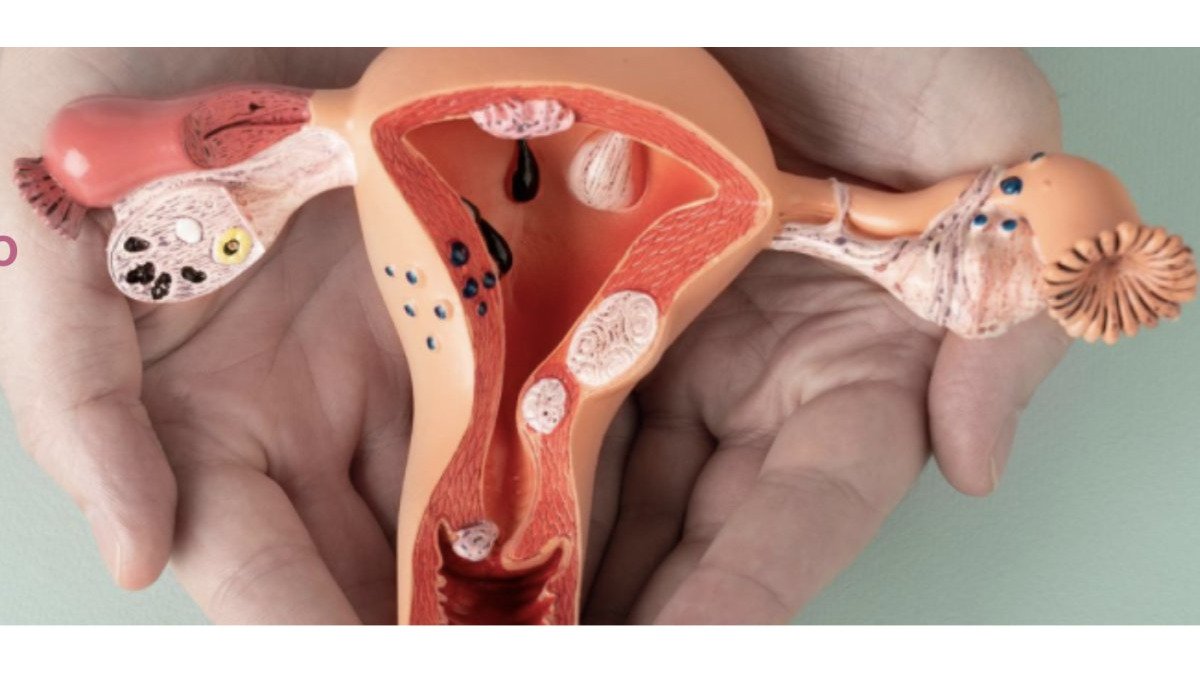
Some women experience symptoms so intense that daily function becomes difficult. Others worry about underlying conditions like fibroids, endometriosis, or adenomyosis, which can worsen during perimenopause. A few have concerning changes that require rapid diagnostic evaluation.
Mr Javaid Muglu specialises in expert assessment for perimenopausal women experiencing complex symptoms. His One Stop clinics combine consultation and diagnostic scanning in a single appointment, providing rapid answers rather than leaving you waiting between appointments.
If you've tried lifestyle modifications and symptoms persist, or if you're experiencing red flags like abnormal bleeding, severe pain, or concerning changes, professional evaluation offers clarity and peace of mind. Early identification of underlying gynaecological problems means earlier, more effective treatment, whether that's additional lifestyle support, medication, or specialist intervention.
Managing perimenopause symptoms doesn't require perfection. Small, consistent changes in diet, exercise, sleep, stress management, and hydration create compound benefits. Most women find that combining these lifestyle approaches significantly improves their quality of life.
Frequently Asked Questions
What lifestyle changes can help manage perimenopause symptoms most effectively?
The most effective lifestyle changes combine diet adjustments (increasing protein and fibre, reducing caffeine and alcohol), regular exercise (both cardiovascular and strength training), improved sleep hygiene, and stress management. These work together to stabilise blood sugar, support bone density, regulate mood, and reduce hot flushes. Most women notice improvements within 4-6 weeks of consistent implementation. If symptoms persist despite lifestyle changes, specialist gynaecological support can identify underlying conditions requiring additional treatment.
Can diet really help ease perimenopause symptoms?
Yes, diet plays a significant role. Increasing protein intake supports muscle mass and satiety, whilst adequate fibre aids blood sugar stability and mood regulation. Foods rich in phytoestrogens (soya, lentils, seeds) may help some women manage hot flushes. Reducing caffeine, alcohol, and refined sugars can diminish symptom severity. Personalised nutrition programmes like ZOE use microbiome testing to tailor dietary recommendations to your individual biology, helping you identify which foods best support your hormonal balance.
How long does it take for lifestyle changes to improve perimenopause symptoms?
Most women experience noticeable improvements in mood, energy, and sleep quality within 2-4 weeks of consistent lifestyle changes. Hot flushes and joint pain may take 4-8 weeks to improve. However, perimenopause itself typically lasts 4-10 years, and symptoms fluctuate throughout this transition. Consistency matters more than perfection, small, sustainable changes compound over time. If symptoms remain severe after 8 weeks of lifestyle modifications, consulting a gynaecological specialist can identify whether underlying conditions like endometriosis or fibroids require additional treatment.
What should I do if lifestyle changes alone don't manage my perimenopause symptoms?
If you've made sustained lifestyle changes for 8-12 weeks without adequate relief, it's time to seek specialist gynaecological support. Severe symptoms can indicate underlying conditions such as endometriosis, fibroids, or adenomyosis that lifestyle adjustments alone cannot address. A specialist can perform diagnostic imaging (ultrasound or laparoscopy) to identify these conditions and discuss treatment options, from medication to minimally invasive surgery. Early identification often leads to faster symptom relief and improved quality of life.