 how-to
How to Prepare for Laparoscopic Myomectomy
Table of Contents
- Understanding Laparoscopic Myomectomy and Why Preparation Matters
- Pre-Operative Preparations: Medical and Practical Steps
- Questions to Ask Your Gynaecologist Before Fibroid Surgery
- What to Pack for Myomectomy Surgery
- Laparoscopic Myomectomy Recovery Time and Post-Operative Care
- Common Risks and How to Minimise Them
- Preparing Your Home and Support Network
- Frequently Asked Questions
Last Updated: September 28, 2026
Understanding Laparoscopic Myomectomy and Why Preparation Matters
Understanding how to prepare for laparoscopic myomectomy starts with knowing that it is a minimally invasive surgical procedure that removes fibroids from the uterus through small incisions in the abdomen. Unlike open surgery, this approach uses a camera and specialised instruments, which means less pain, shorter recovery, and smaller scars. But getting the best outcome depends entirely on how well you prepare beforehand.
The difference between patients who recover smoothly and those who struggle often comes down to preparation. You need medical clearance, the right information, and a solid support system in place before you go into theatre.
This guide walks you through exactly what to do. We'll cover the medical steps, practical preparations, and recovery timelines so you know what to expect at every stage.
Pre-Operative Preparations: Medical and Practical Steps
Medical Clearance and Diagnostic Testing
Before your laparoscopic myomectomy, your consultant will order specific tests to ensure you're fit for surgery. These typically include blood tests to check your full blood count, clotting ability, and kidney and liver function. You'll also have a pelvic ultrasound or MRI to confirm the size, number, and location of your fibroids.
An ECG (heart trace) may be needed if you're over 40 or have heart risk factors. Your consultant will also assess your general health and any existing medical conditions. Don't skip these appointments, they identify problems that could affect your surgery or recovery.
Medications and Supplements to Review
Tell your consultant about every medication and supplement you take, including over-the-counter painkillers, vitamins, and herbal remedies. Some need to stop before surgery, whilst others must continue.
Blood-thinning medications like warfarin or aspirin usually need to stop 5-7 days before your procedure. Herbal supplements such as ginger, garlic, and St John's Wort can also thin blood and should be stopped 2 weeks beforehand. Iron supplements and vitamin E should pause as well.
Bring a complete list to your pre-operative assessment. Your consultant will tell you exactly which ones to stop and when. Never stop prescribed medications without asking first, some need to continue right up to surgery.
Fasting and Pre-Surgery Instructions
As part of how to prepare for laparoscopic myomectomy, you'll receive written fasting instructions, typically asking you not to eat after midnight the night before surgery and not to drink anything (including water) for 2 hours before arrival. Follow these precisely. Eating or drinking beforehand increases the risk of aspiration during anaesthesia, which is a serious complication (Pre-operative fluid fasting (Guidelines)).
Arrange transport home on the day of surgery. You cannot drive after a general anaesthetic, and you'll be drowsy for several hours. Have someone pick you up and stay with you for at least the first 24 hours.
Questions to Ask Your Gynaecologist Before Fibroid Surgery
Ask your consultant these questions at your pre-operative appointment:
- How many fibroids will you remove, and where are they located?
- What is your experience with laparoscopic myomectomy? How many have you performed?
- What happens if the fibroids are too large or complex for laparoscopic removal?
- Will you need to convert to open surgery, and how would that change recovery?
- What pain relief will I have after surgery?
- When can I return to work, exercise, and sexual activity?
- What are the specific risks for my situation?
- How will you monitor me after surgery to check healing?
- What symptoms should prompt me to contact you urgently?
These questions help you understand your specific procedure and what to expect. Don't feel rushed, a good consultant takes time to answer thoroughly.
What to Pack for Myomectomy Surgery
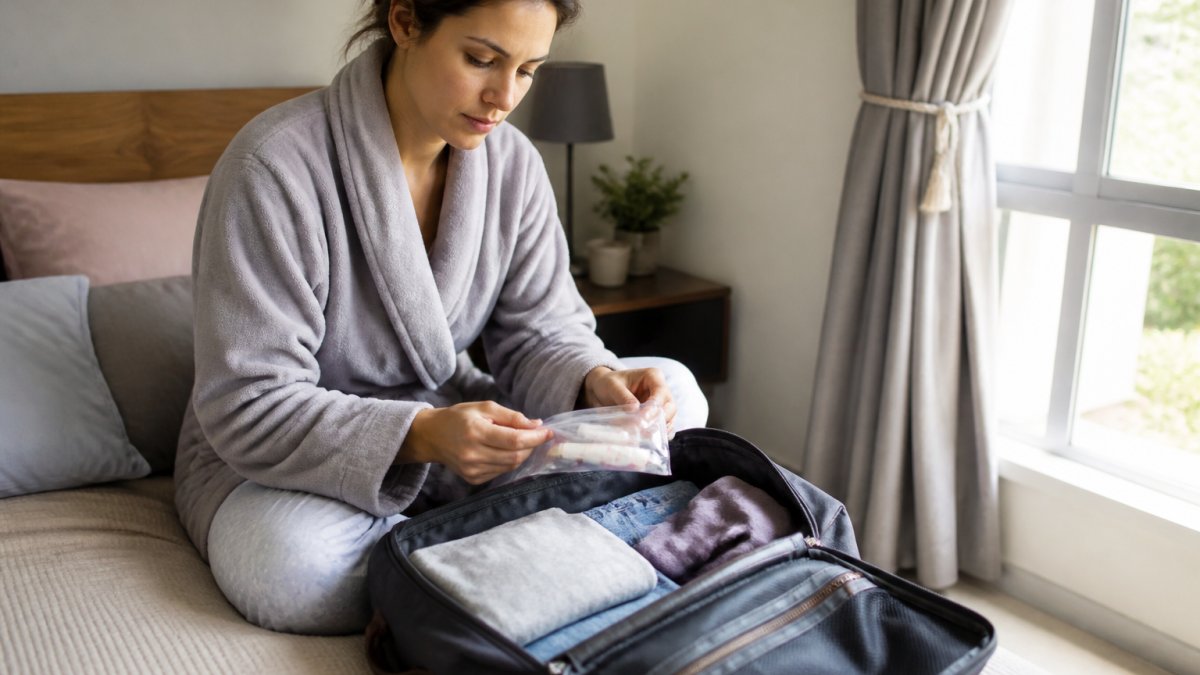
Pack a small bag for hospital. You'll stay for a few hours in recovery, and some women stay overnight depending on the complexity of their procedure.
Bring:
- Your hospital appointment letter and ID
- Insurance details or payment information
- A list of current medications
- Comfortable, loose-fitting clothes to wear home (avoid tight waistbands)
- Slip-on shoes (you won't be able to bend down easily)
- Your phone charger
- Toiletries and a toothbrush
- Any comfort items (book, music, headphones)
Don't bring:
- Jewellery, watches, or valuables
- Makeup or nail polish (the anaesthetist needs to see your natural skin colour)
- Perfume or scented products
Wear comfortable, easy-to-remove clothing to the hospital. You'll change into a gown for surgery.
Laparoscopic Myomectomy Recovery Time and Post-Operative Care
First Two Weeks: Initial Recovery at Home
The first two weeks are critical. You'll feel tired and sore, especially around the incision sites. Pain is usually mild to moderate and controlled with prescribed painkillers. Take them as directed rather than waiting until pain builds up.
Rest is your priority. Avoid lifting anything heavier than a kettle, bending at the waist, or doing housework. Sleep with a pillow under your knees to reduce strain on your abdomen. Keep your incisions clean and dry. If you notice increasing redness, warmth, discharge, or opening of the wound, contact your consultant immediately.
Light walking around your home is fine and actually helps prevent blood clots. Avoid stairs when possible, but don't stay completely still. Constipation is common after surgery due to pain relief medications and reduced movement. Drink plenty of water and eat high-fibre foods. If constipation persists beyond a few days, ask your GP about stool softeners.
Weeks Three to Six: Gradual Return to Activity
By week three, most women feel significantly better. Pain usually reduces to mild discomfort. You can start gentle activities like short walks outdoors and light housework, but avoid heavy lifting and strenuous exercise.
Return to work depends on your job. Desk work can usually restart around week 3-4. Physical jobs require longer. Your consultant will advise based on your specific procedure. Don't rush this, returning too quickly can cause complications.
Sexual activity can resume around week 4-6, once you feel comfortable. Start gently and stop if you experience pain. Vaginal bleeding or spotting can occur for several weeks after surgery, this is normal.
Beyond Six Weeks: Full Recovery and Follow-Up
Most women resume normal activities by 6-8 weeks after laparoscopic myomectomy. You can return to exercise, including running and gym work, once you feel ready. Heavy lifting can usually restart by 8 weeks.
Attend your follow-up appointment 6 weeks after surgery. Your consultant will check your healing, review any symptoms, and discuss future pregnancy plans if relevant. Fibroids can return, so ongoing monitoring is important.
Common Risks and How to Minimise Them
Laparoscopic myomectomy is generally safe, but like all surgery, it carries risks. The most common include infection, bleeding, and damage to nearby organs. Damage to the bowel or bladder is rare but serious. Conversion to open surgery can happen if fibroids are unexpectedly complex.
Minimise these risks by:
- Following all pre-operative instructions precisely
- Disclosing your complete medical history
- Choosing a surgeon experienced in laparoscopic procedures
- Reporting any unusual symptoms immediately after surgery
- Attending all follow-up appointments
Pregnancy after myomectomy is usually possible, though timing matters. Your consultant will recommend a waiting period before trying to conceive to allow the uterus to heal fully. If pregnancy is your goal, discuss this with your consultant before surgery.
Preparing Your Home and Support Network
Your recovery happens at home, so prepare your environment before surgery. You'll need help for at least the first week, and ideally the first two weeks.

Arrange help with:
- Cooking and shopping
- Cleaning and laundry
- Childcare if you have young children
- Getting to follow-up appointments
Stock your freezer with easy meals.
Frequently Asked Questions
What should I avoid before a laparoscopic myomectomy?
Avoid eating and drinking from midnight before surgery, as instructed by your anaesthetist. Stop aspirin and blood-thinning medications 5-7 days beforehand unless your consultant advises otherwise. Avoid smoking and alcohol for at least two weeks before surgery, as these impair healing. Do not take herbal supplements, particularly ginger, garlic, and ginseng, which can increase bleeding risk. Stop using tampons and douches from the week before surgery. Arrange time off work and strenuous activity, your body needs rest to prepare.
How long does it take to recover from a laparoscopic myomectomy?
Most women return to light activities within 2-3 weeks. Full recovery typically takes 4-6 weeks, though this varies depending on fibroid size, number of fibroids removed, and individual healing. You can resume desk work after 2-3 weeks, but heavy lifting, exercise, and strenuous activity should be avoided for 6 weeks. Return to normal sexual activity is usually possible after 4-6 weeks once you feel comfortable. Your consultant will provide personalised timelines based on your specific procedure.
What questions should I ask my gynaecologist before fibroid surgery?
Ask how many fibroids will be removed and their size, whether the uterus will be preserved, what anaesthesia will be used, and the expected duration of surgery. Enquire about specific risks based on your fibroid location and whether you may need open surgery if complications arise. Ask about pain management post-operatively, when you can return to work and exercise, and what symptoms warrant contacting your surgeon. Request information about follow-up appointments, whether fibroids may recur, and whether future pregnancy is possible if that's relevant to you.
What should I pack for my hospital stay for a myomectomy?
Bring loose, comfortable clothing you can easily remove and put back on, including button-front tops and loose trousers or leggings. Pack underwear you don't mind discarding, as discharge is common post-operatively. Bring toiletries, medications you normally take, glasses or contact lenses if needed, and a phone charger. Include entertainment such as books or a tablet for rest periods. Bring slippers with grip soles and a dressing gown for easy access during recovery. Have your insurance details and identification ready. Leave valuable jewellery and large amounts of cash at home.